

Black Mountain College: a Spirit Place
The Feature Documentary
Black Mountain College
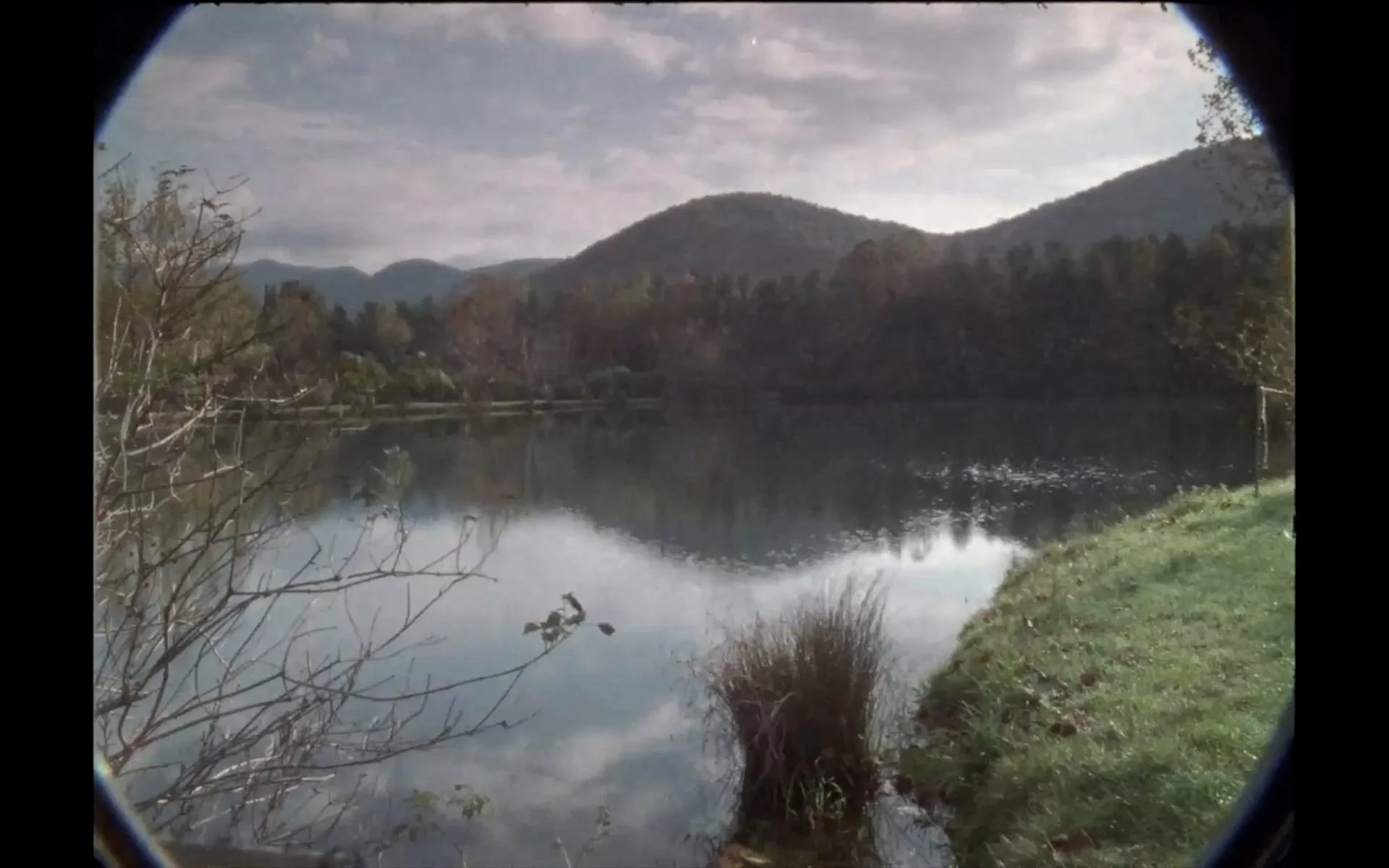
Nestled in North Carolina’s Blue Ridge Mountains, this revolutionary experiment in education lasted just 24 years. Yet, it has had a greater impact on the arts than any other American institution.
Against a backdrop of global unrest, its idyllic campus became a refuge for artists and outsiders – a place where they could defy convention, embrace unbridled artistic freedom, and spark a creative flame that still burns in the heart of modern art and culture today.
Now, the story of this extraordinary and controversial place is being brought to life in a new feature documentary.
Black Mountain College
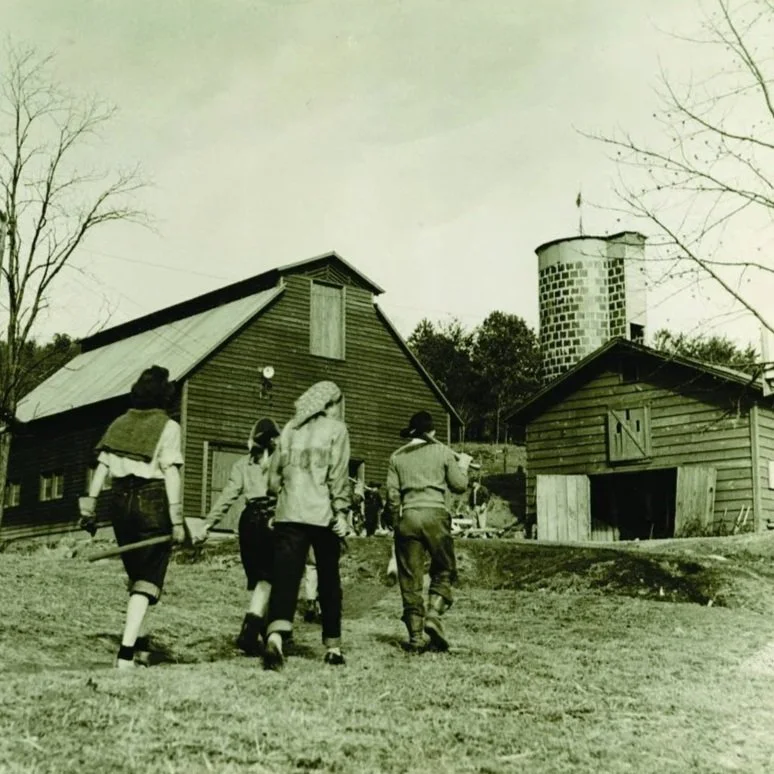
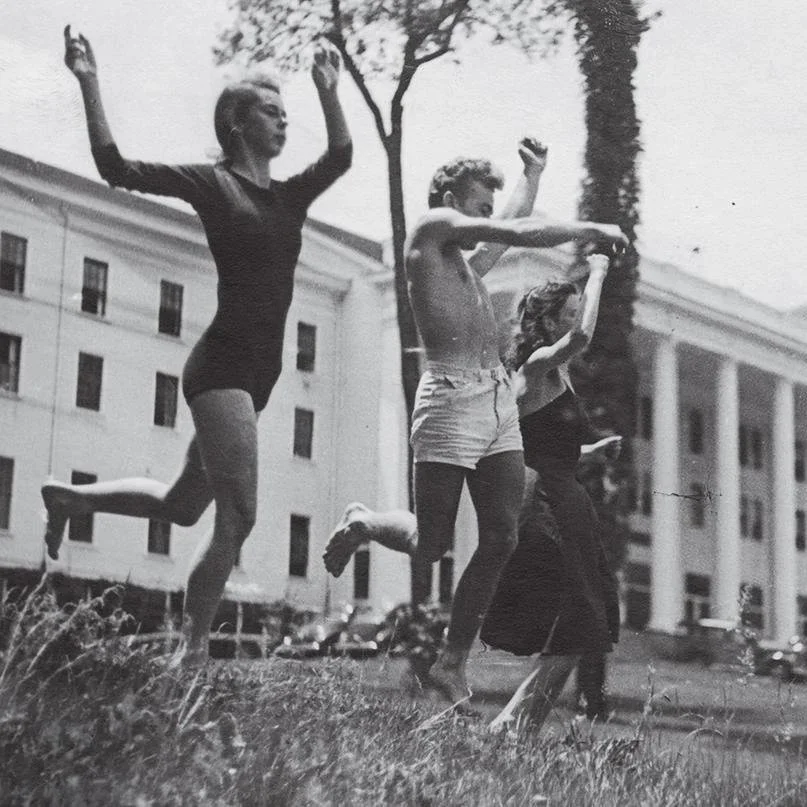
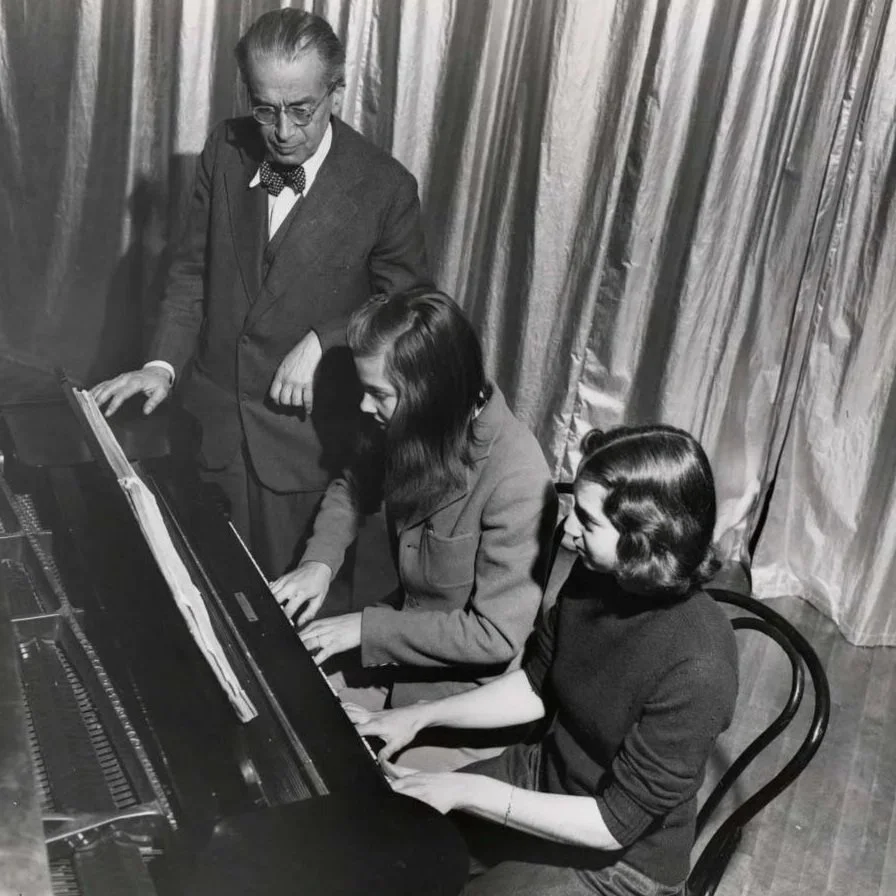
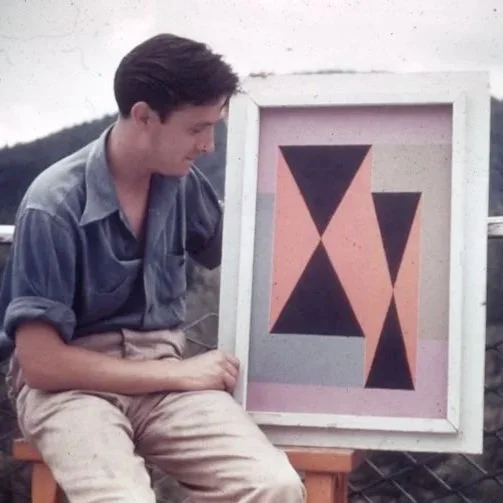
Nestled in North Carolina’s Blue Ridge Mountains, this revolutionary experiment in education lasted just 23 years, from 1933-1957. Yet, it has had a greater impact on the arts than any other American institution.
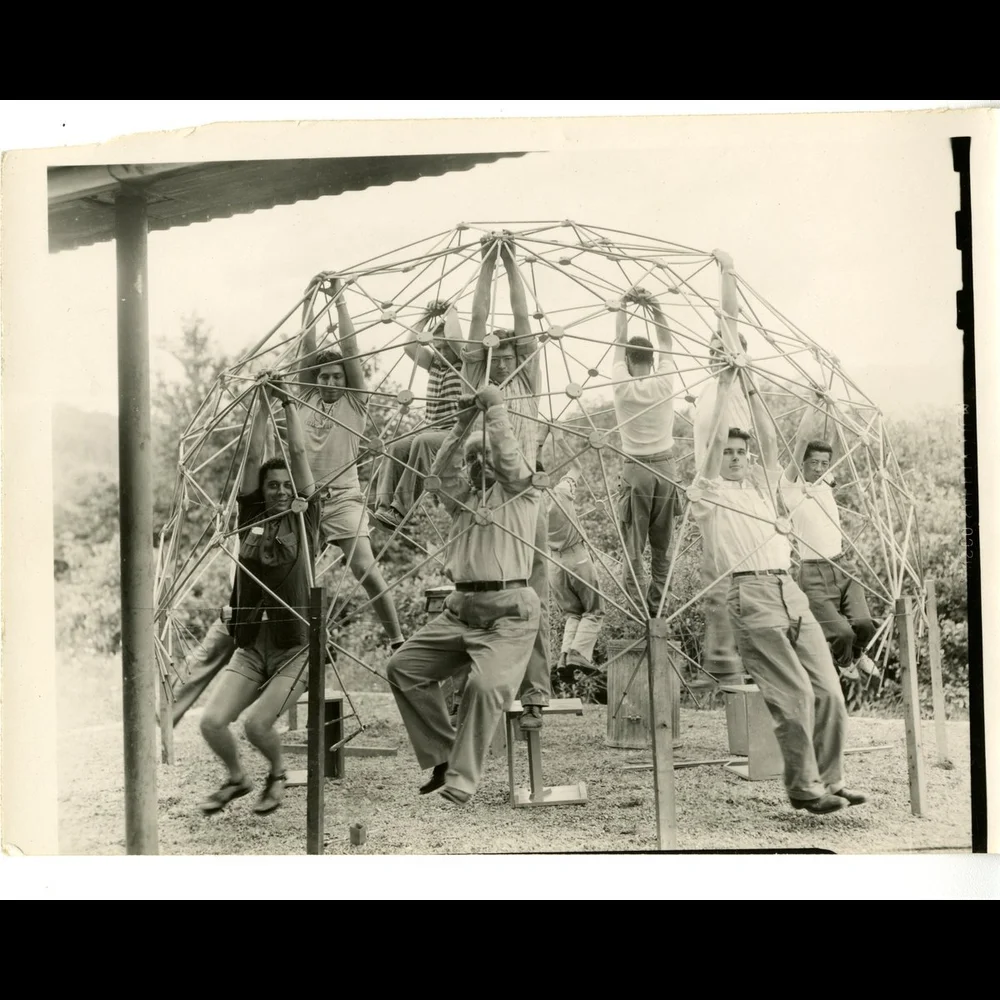
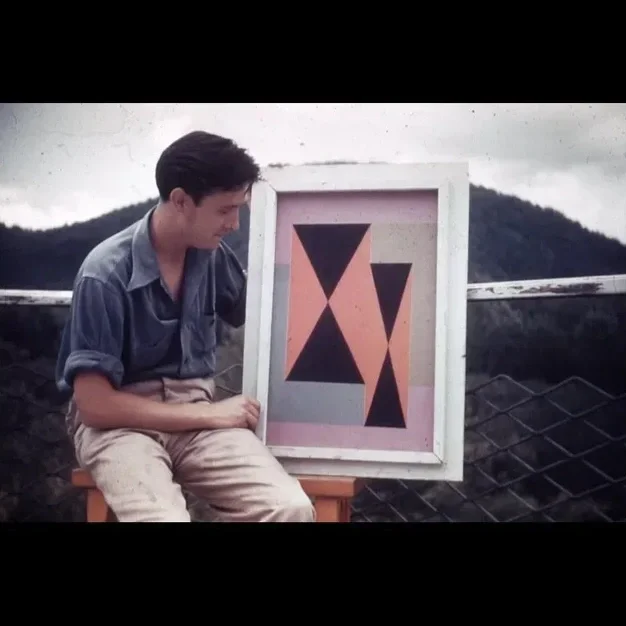
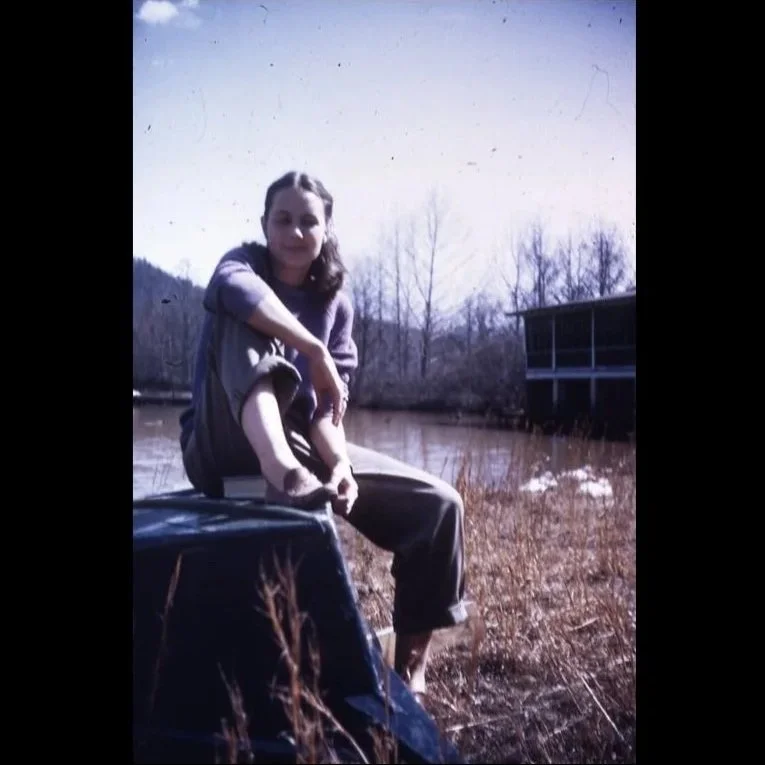
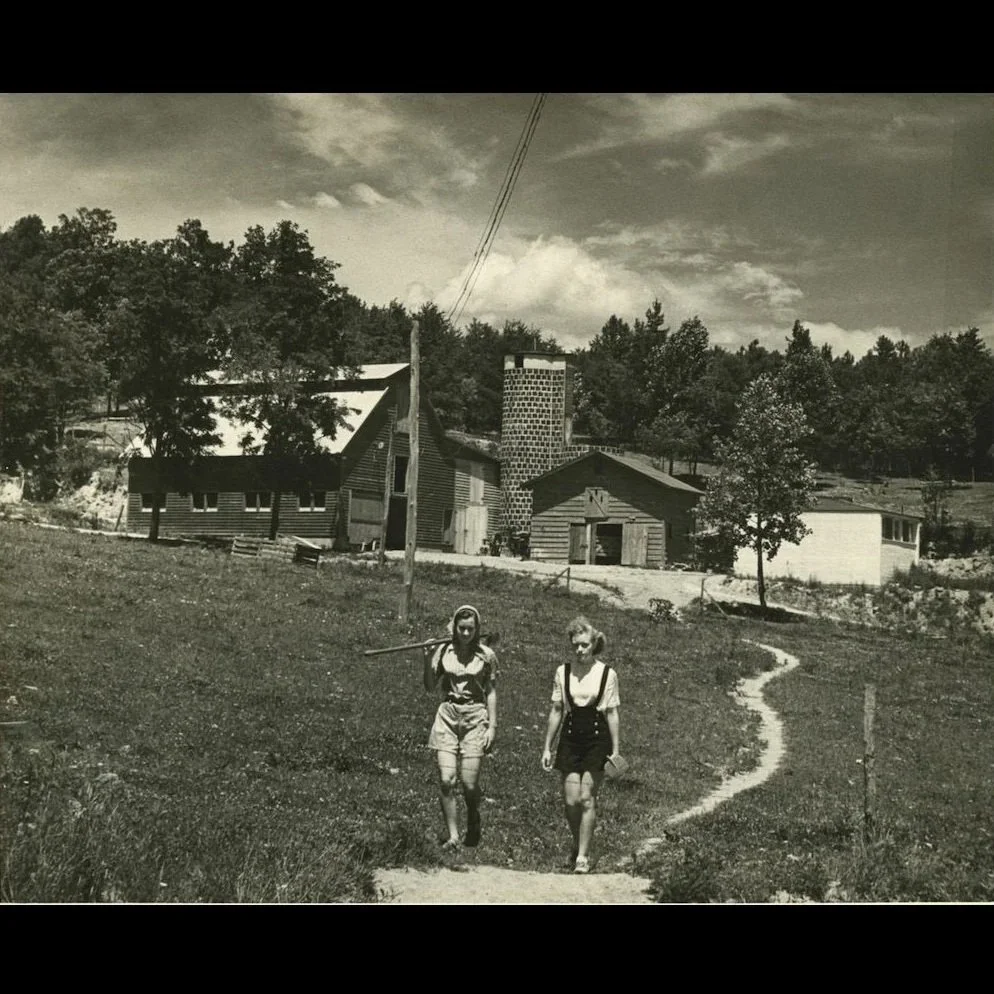
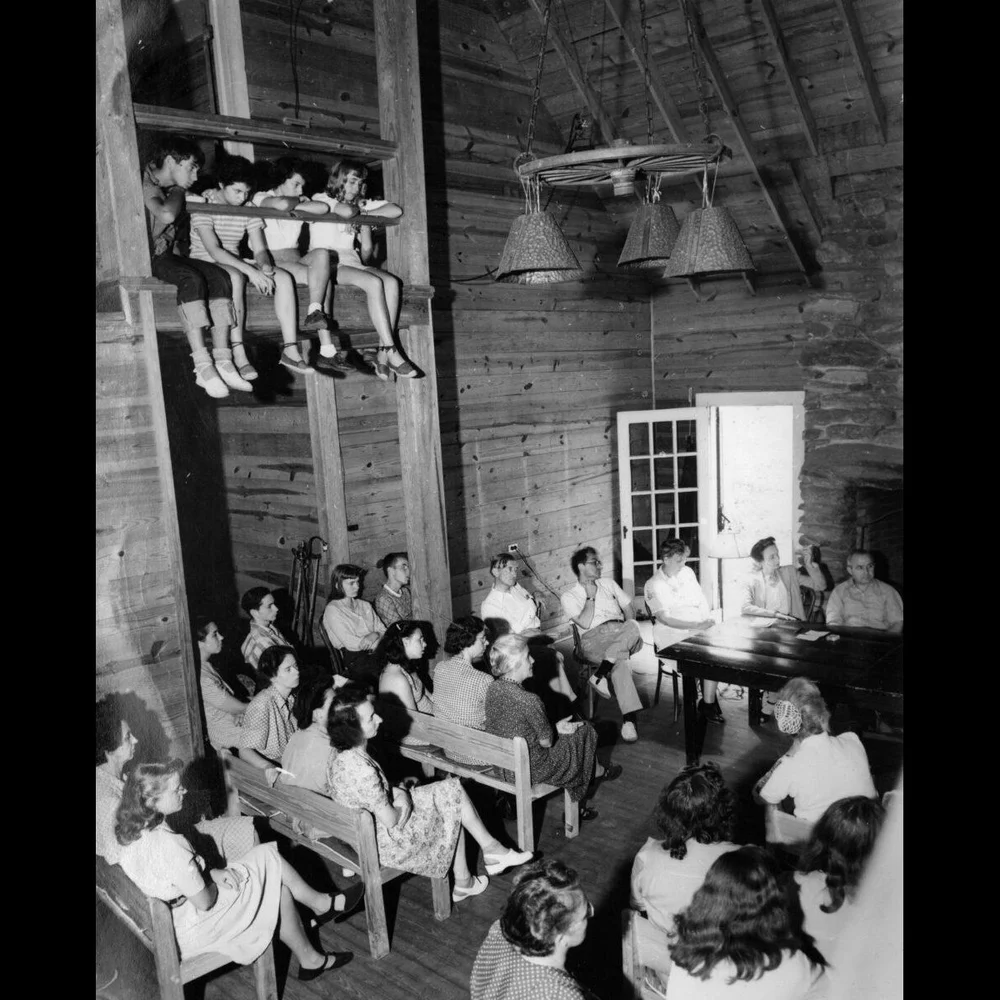
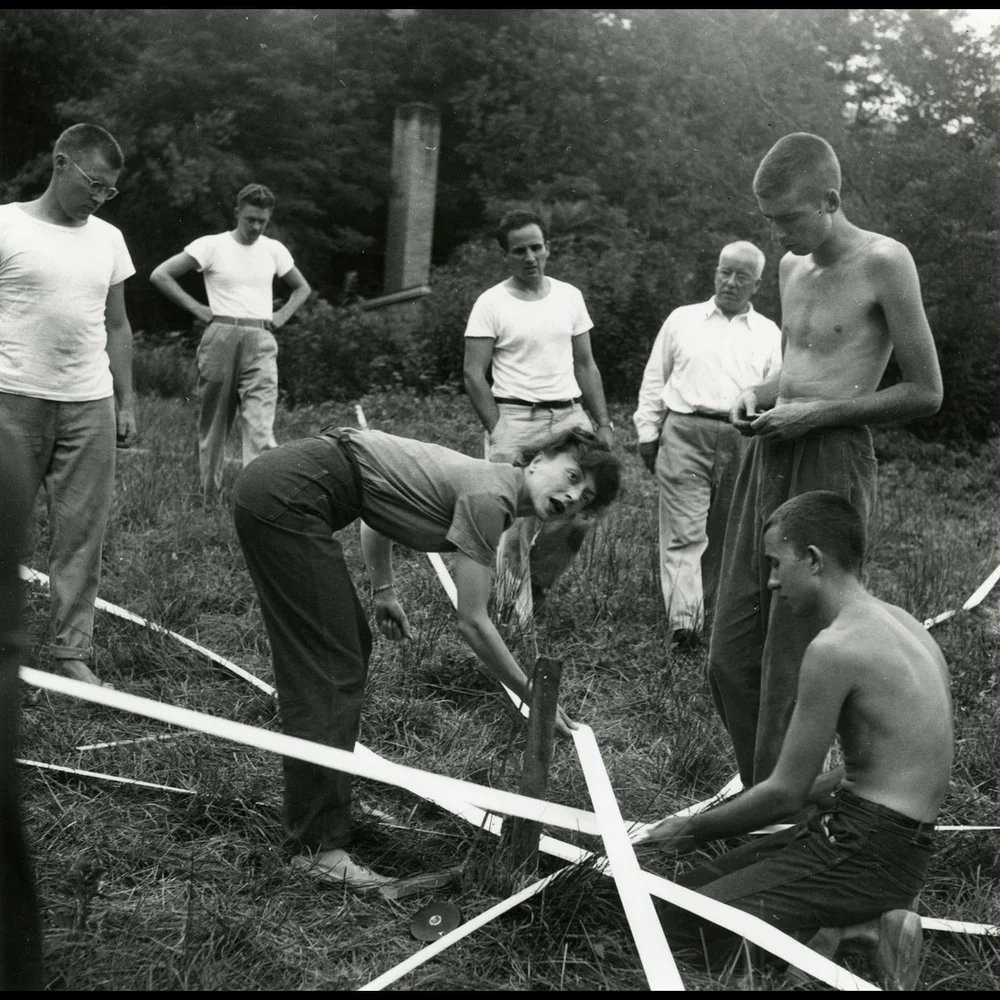
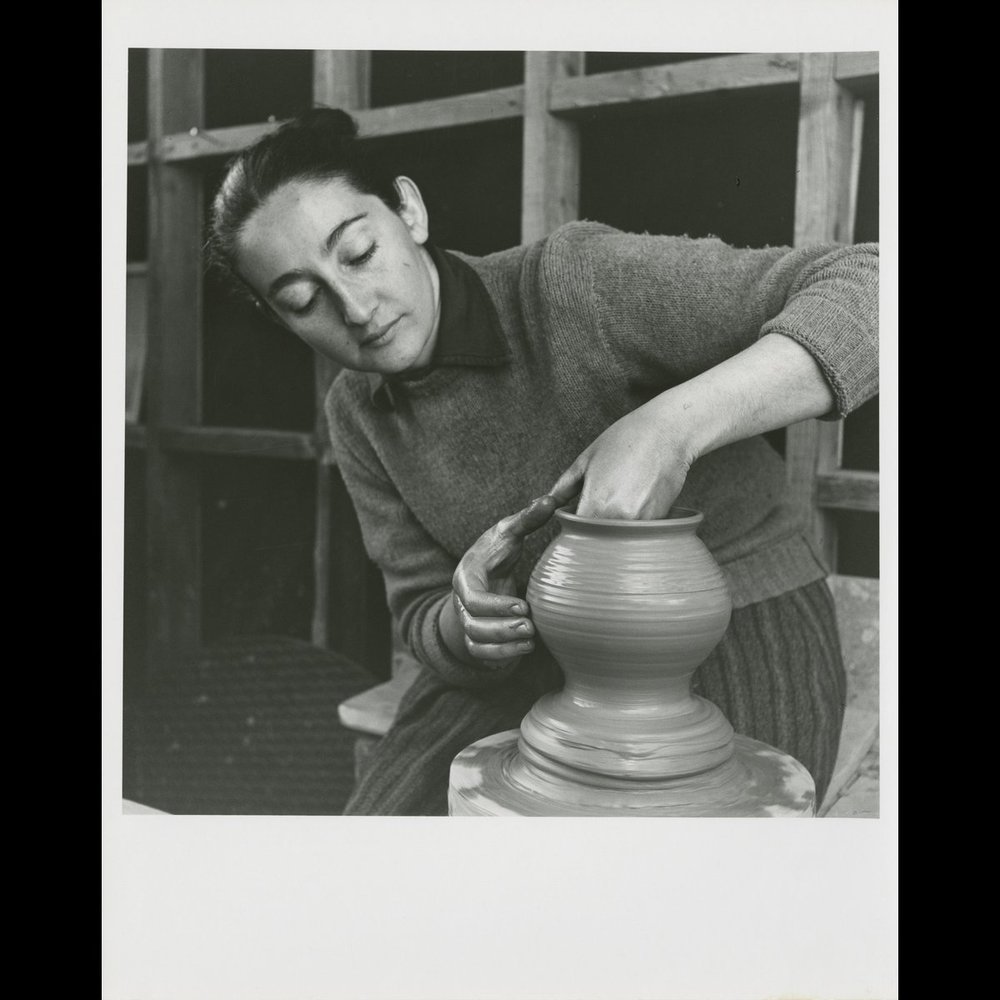

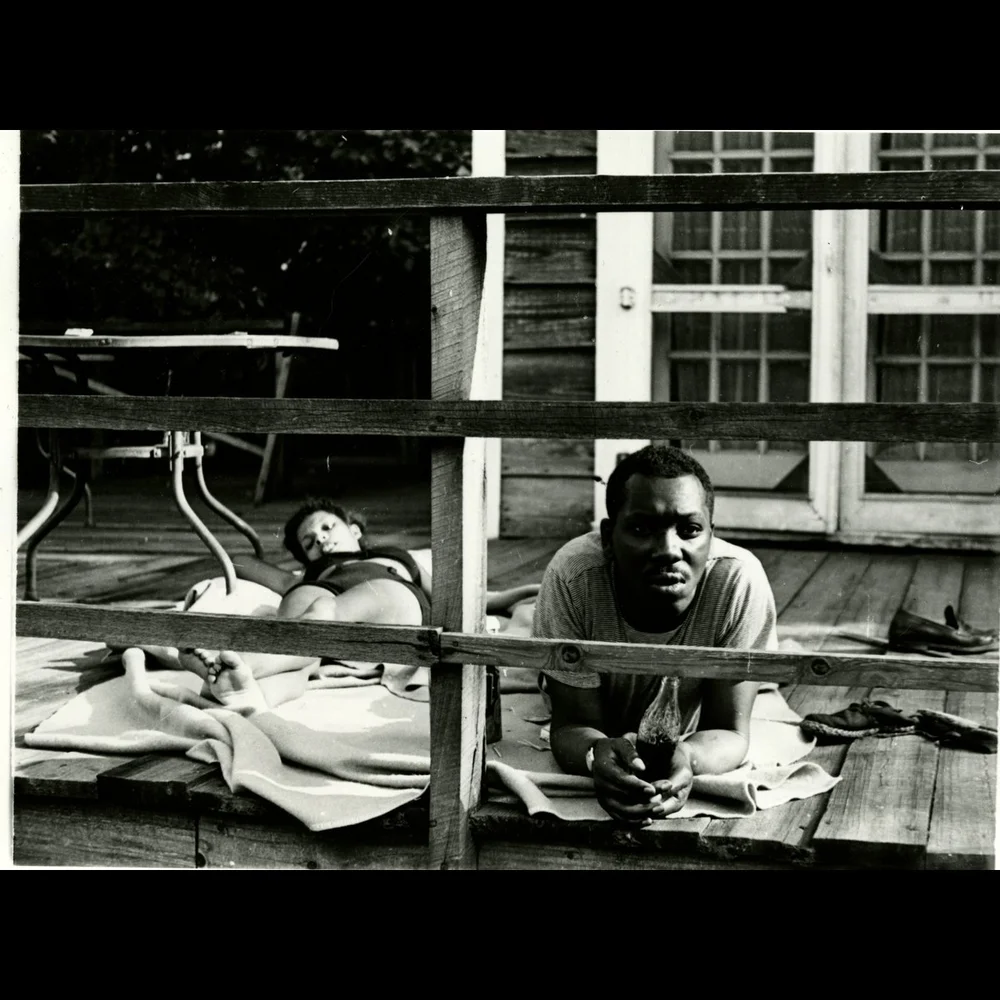

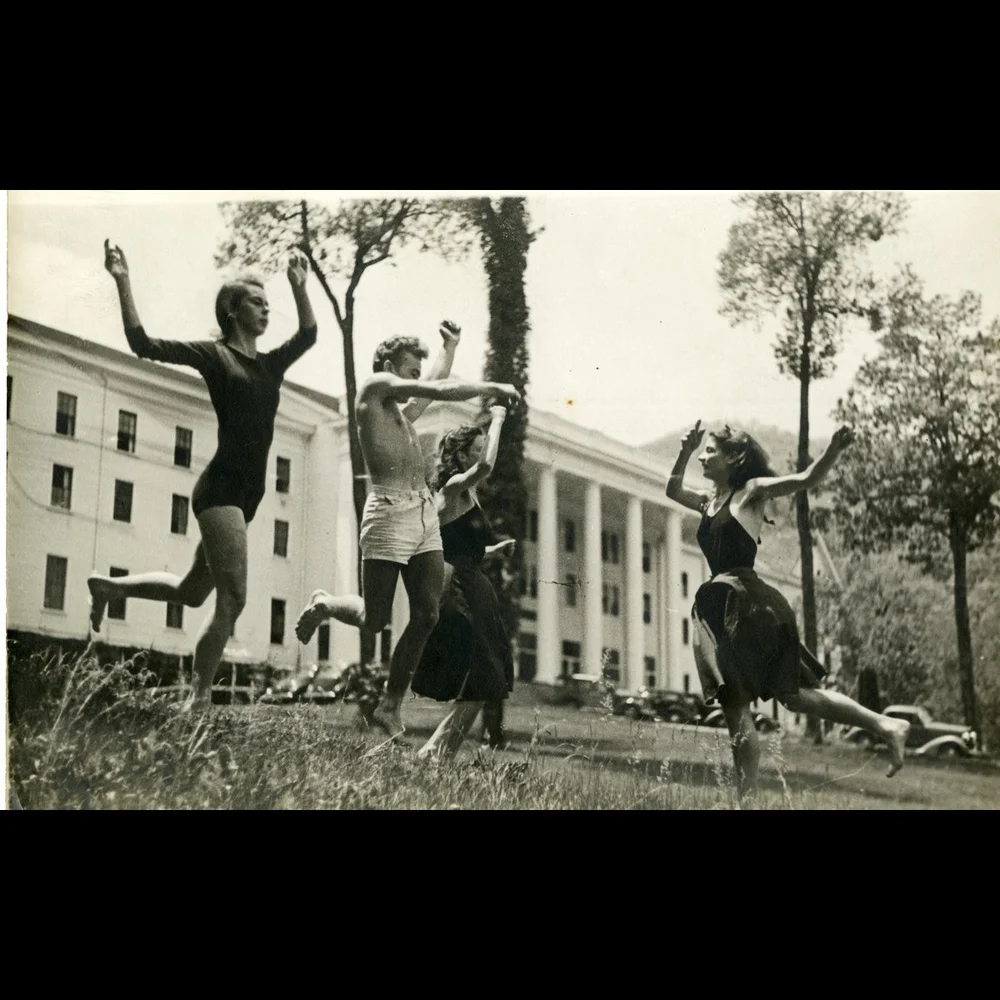
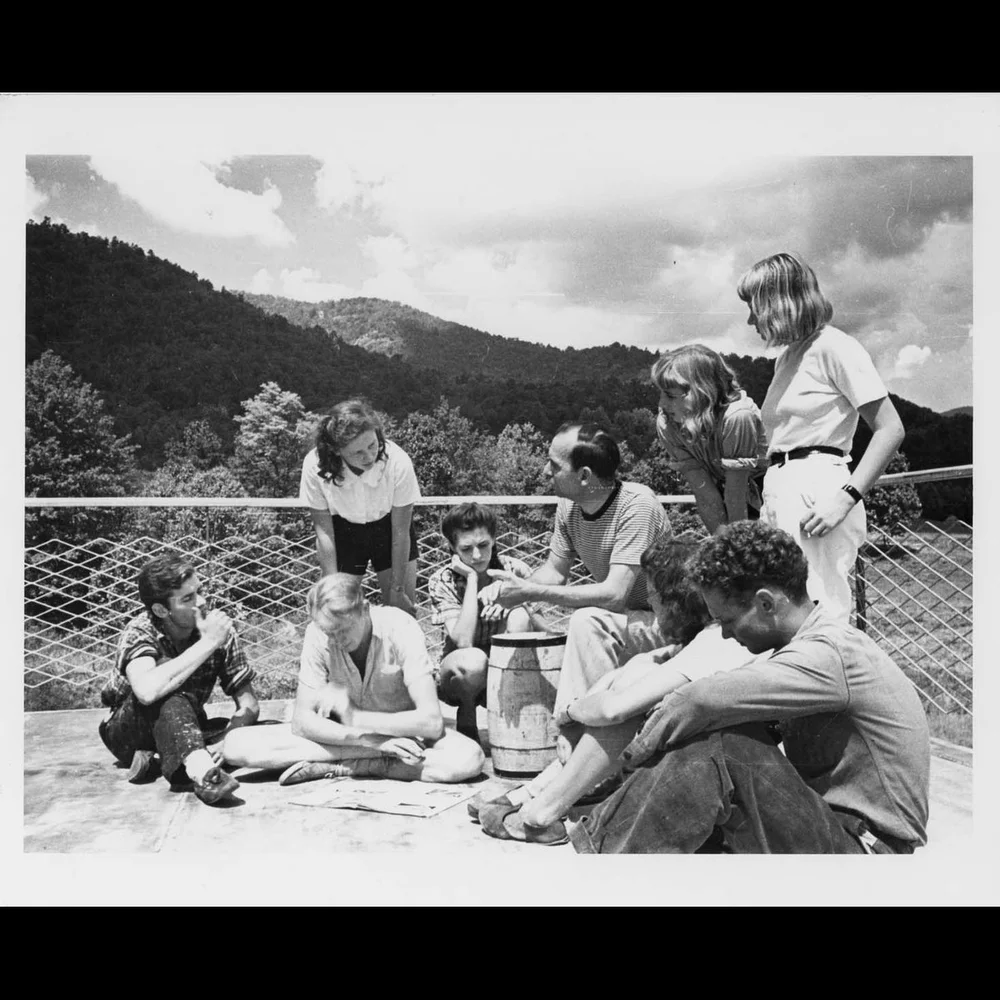
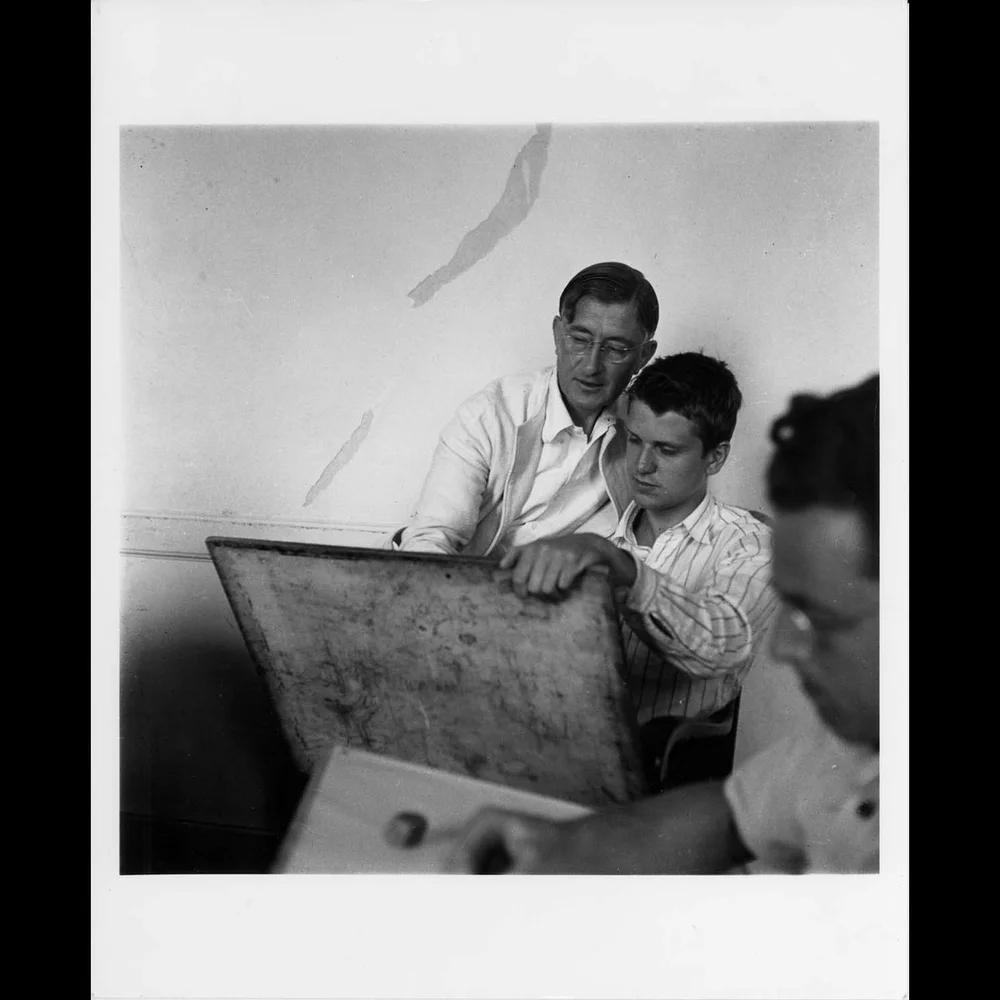
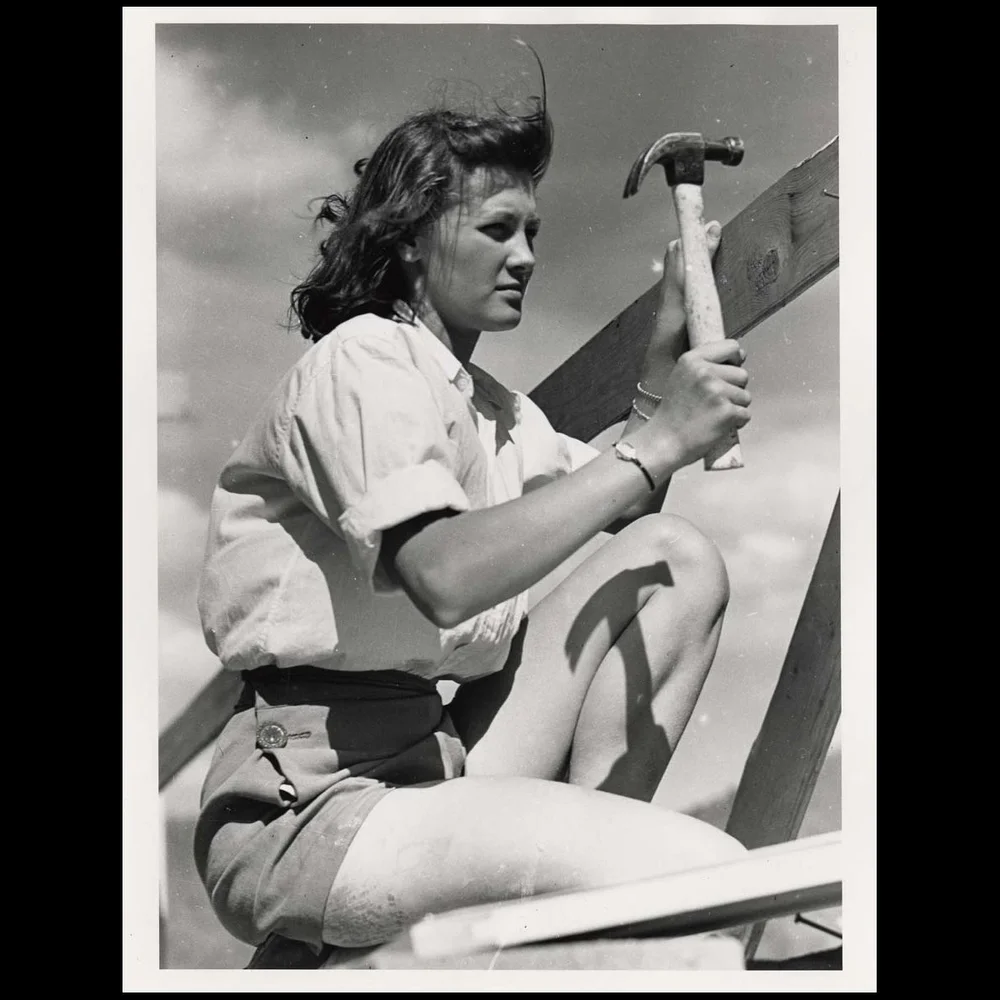
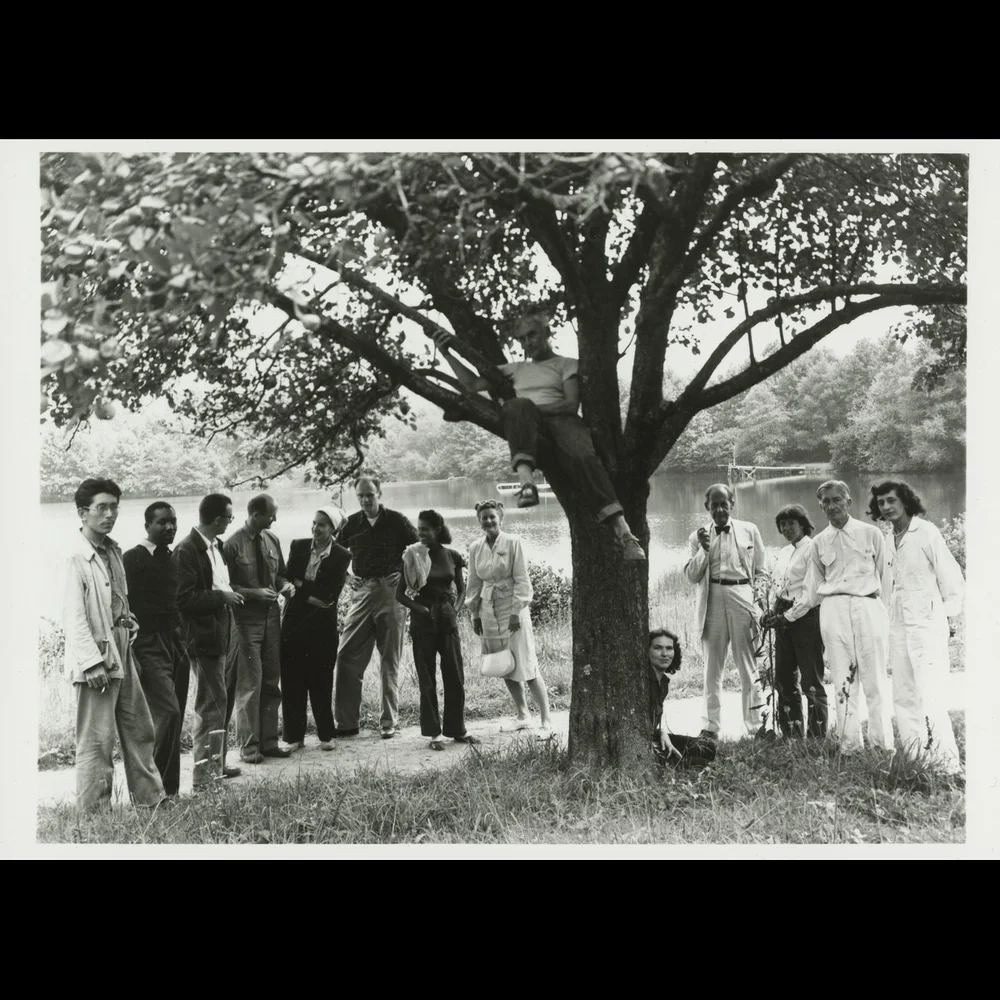
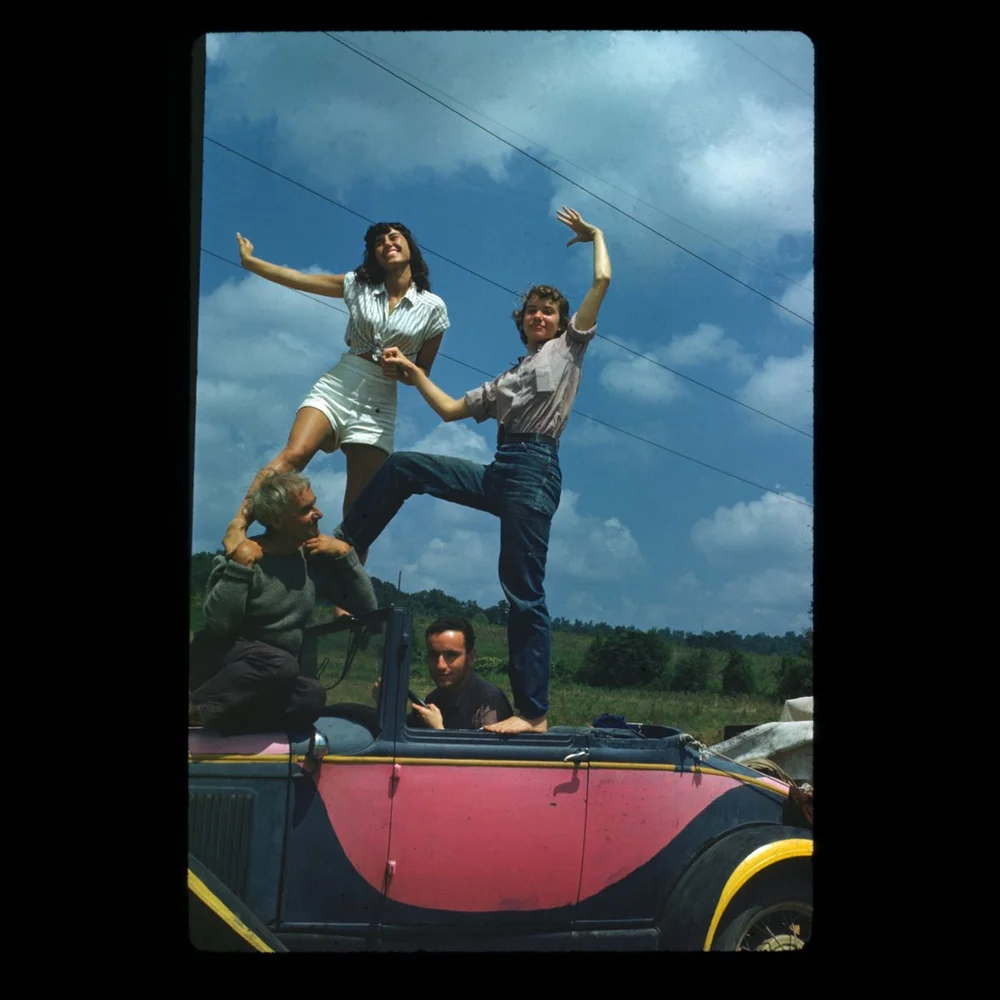
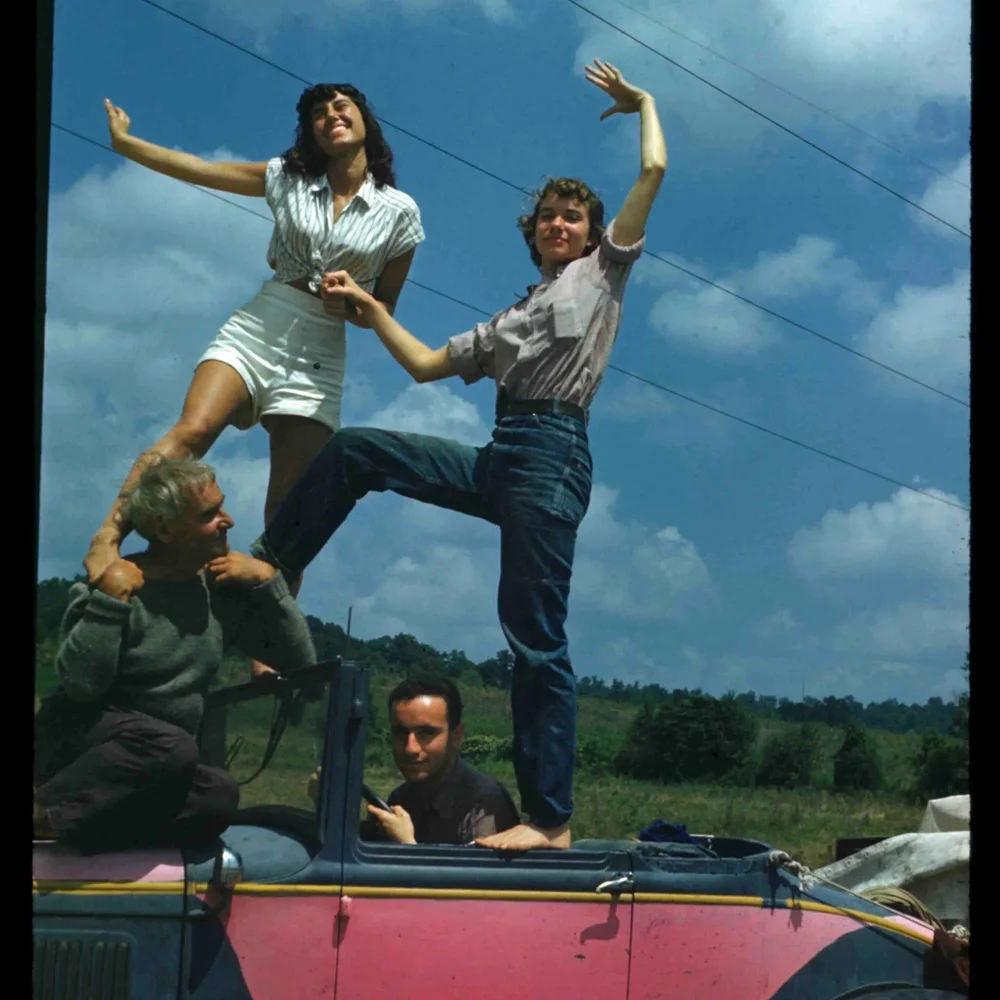
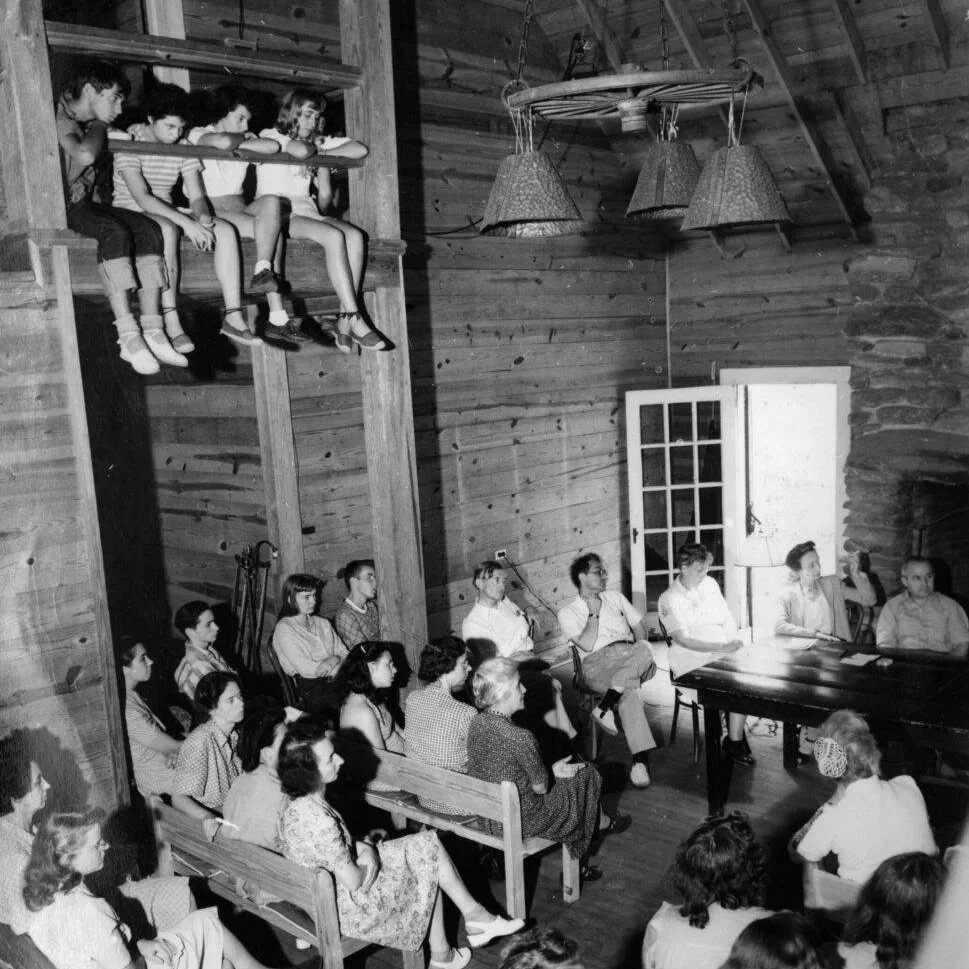
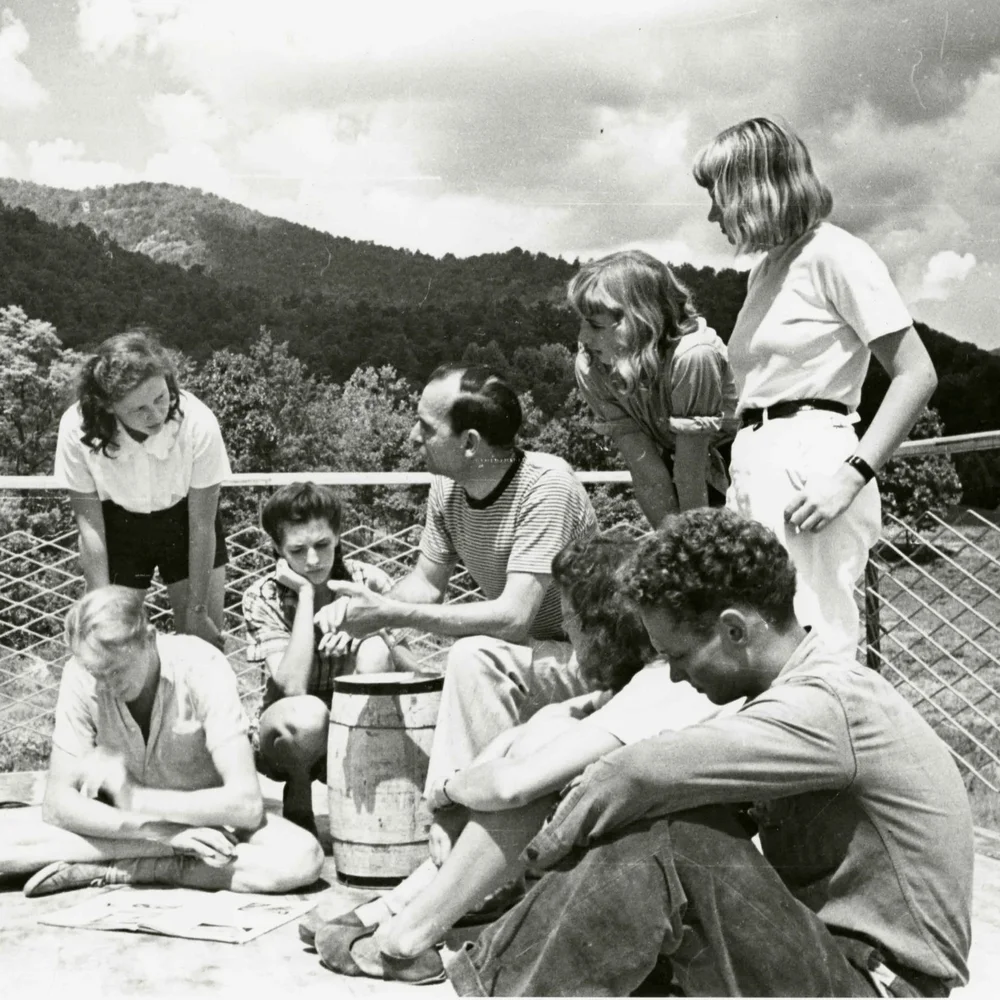
Against a backdrop of global unrest, Black Mountain College’s idyllic campus became a refuge for artists and outsiders – a place where they could defy convention, embrace unbridled artistic freedom, and spark a creative flame that still burns in the heart of modern art and culture today.
Now, the story of this extraordinary and controversial place is being brought to life in a new feature documentary.
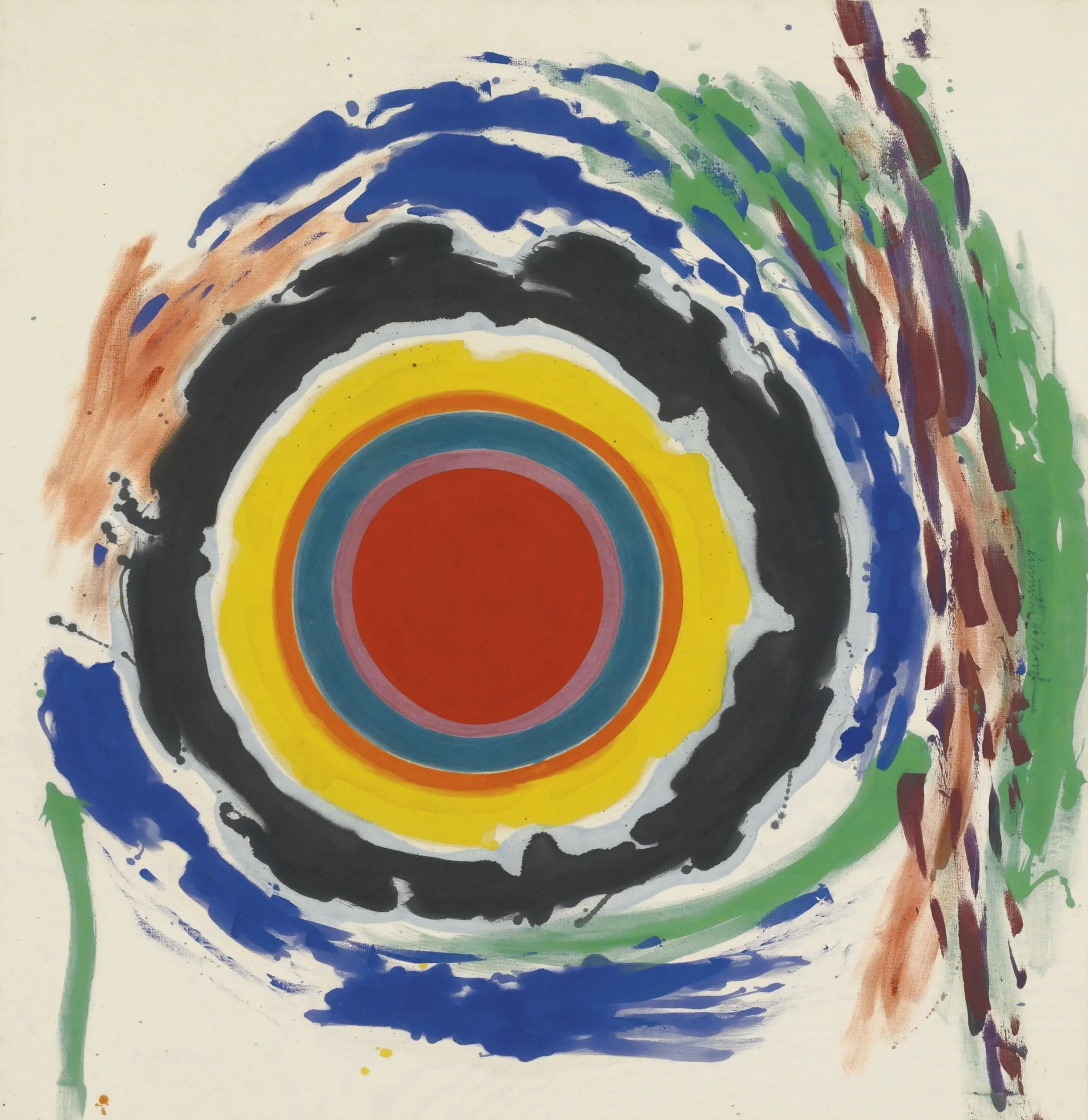
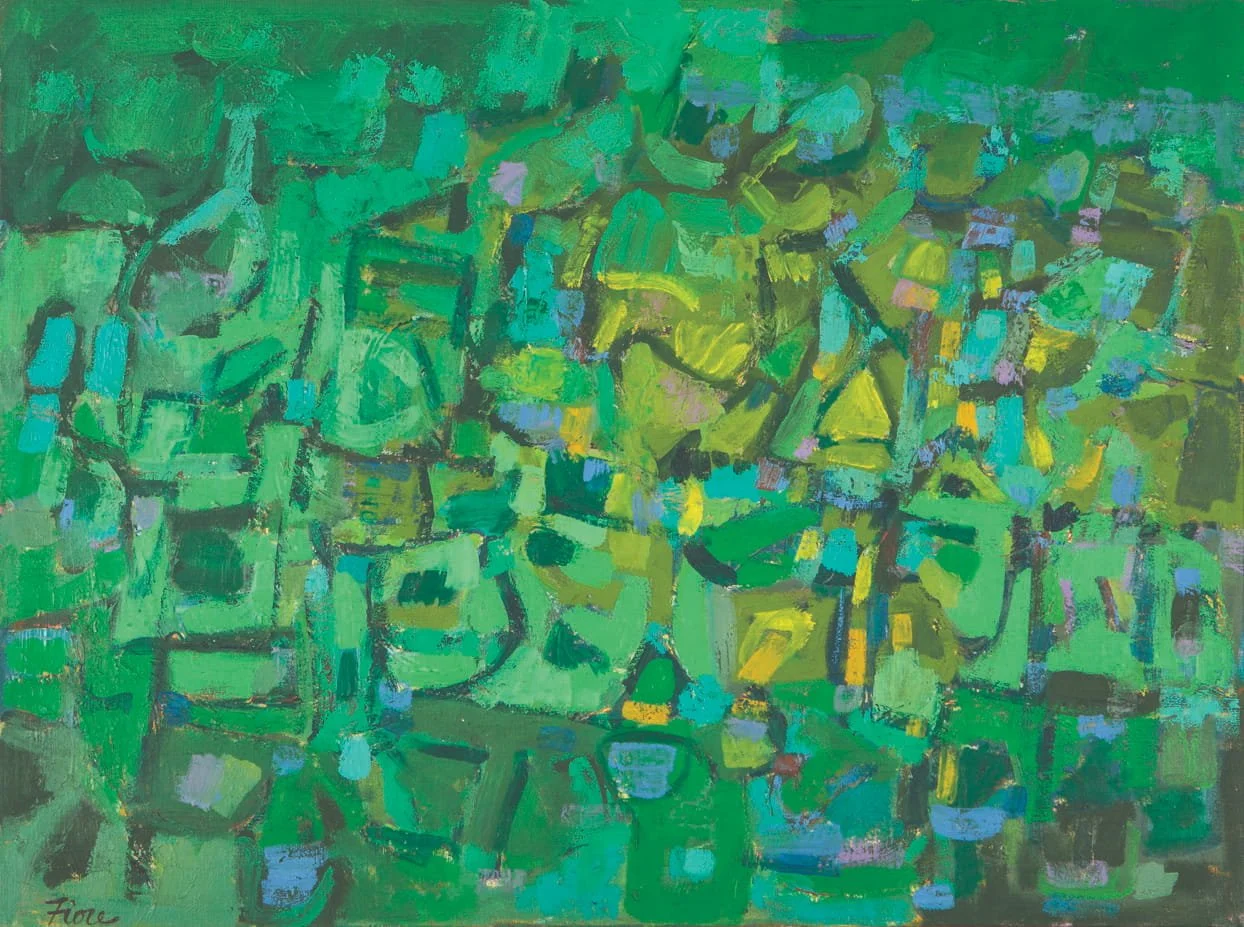

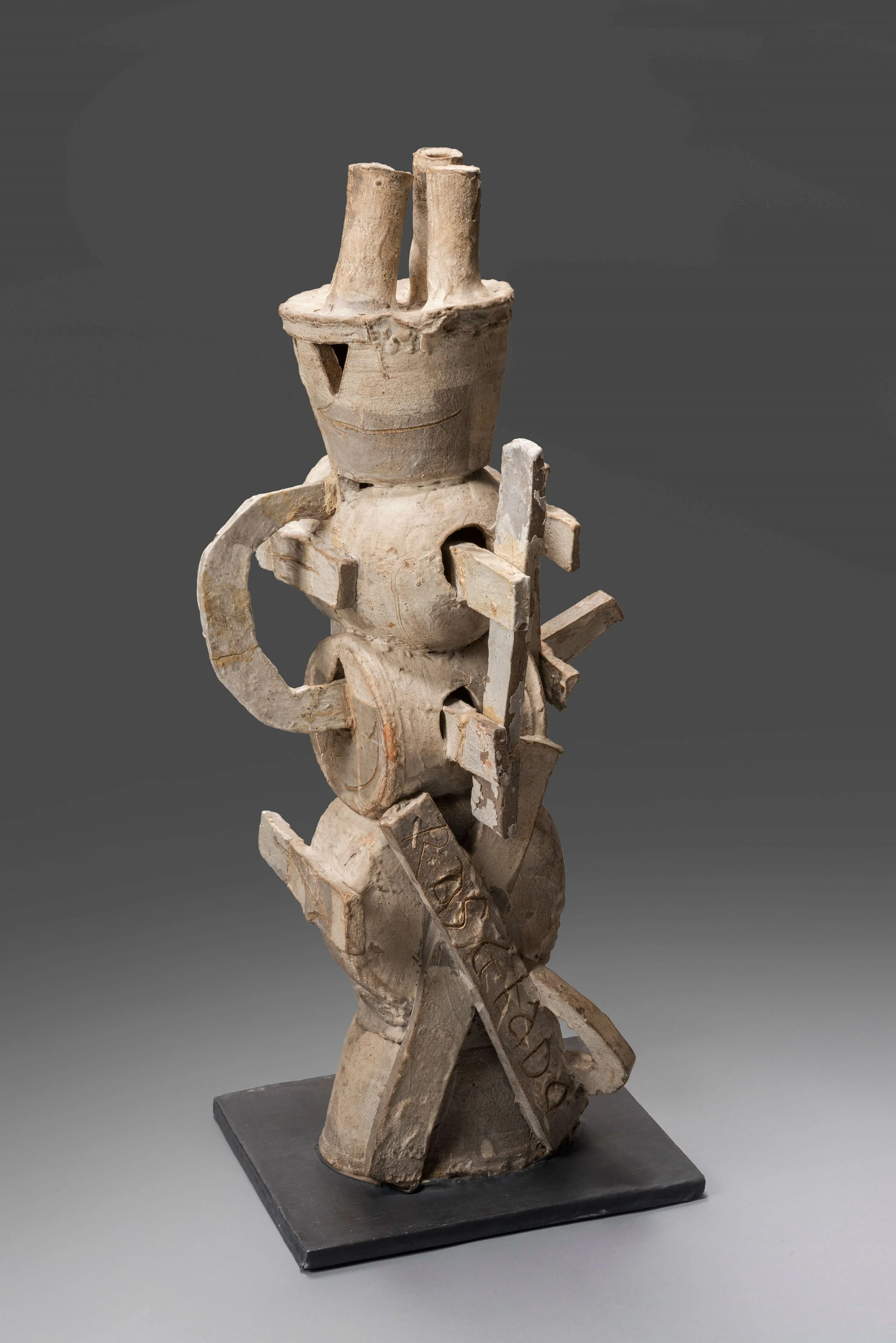

![Robert Rauschenberg and Susan Weil, Untitled [double Rauschenberg]](https://images.squarespace-cdn.com/content/v1/69b1709a94bb373b071fc3de/19694c43-a13d-40b2-a779-c87219e7346e/7_Untitled%2B%5Bdouble%2BRauschenberg%5D%2B1951%2BARS.jpg)
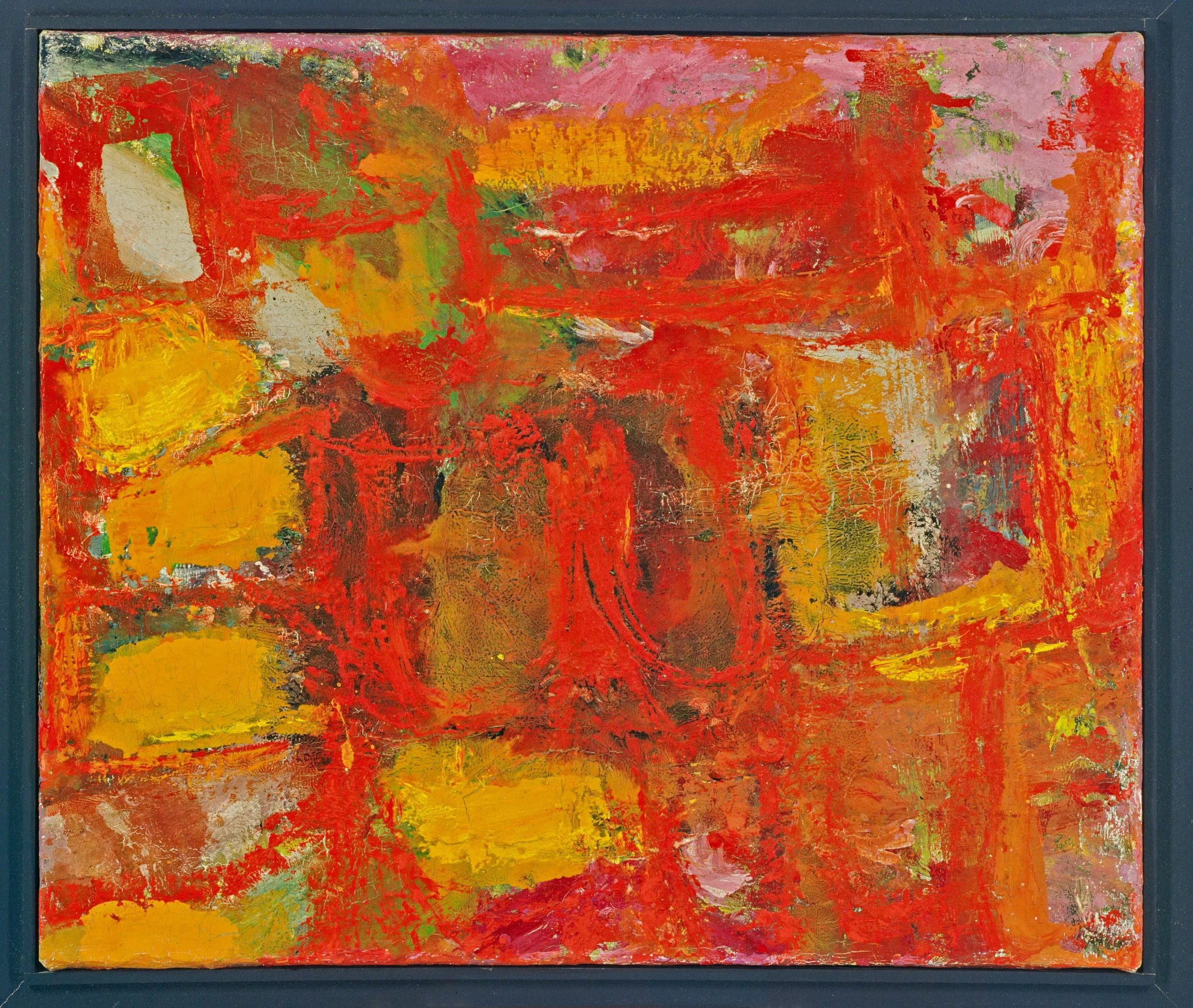
“It was able to attract these remarkable people and is now a symbol of every modern tendency in the arts.”
-Alfred Kazin
1992 Black Mountain College reunion in San Francisco, CA.
Filmed by Director David Royle.
1992 Black Mountain College reunion in San Francisco, CA. Filmed by Director David Royle.
The Film
Over 30 years ago, Emmy Award-winning director David Royle began filming the last remaining voices of Black Mountain College—John Cage, Jacob Lawrence, Arthur Penn, Dorothea Rockburne, Lou Harrison, Ruth Asawa, and many others. The result is never-before-seen footage of performances, art, and stories: an intimate record of Black Mountain’s creative spirit preserved before it was lost forever.
Now, with the guidance of Larry Wheeler, Director Emeritus of the North Carolina Museum of Art, the Black Mountain Legacy Film Project nonprofit has been formed to help bring the film to its completion in 2026.
The Production Team
Black Mountain Documentary Committee
JK Brown, Libby Buck, Nancy Cable, David Crabtree, Jo Cresimore, Laura Edwards, Libba Evans, Anne Faircloth, Joyce Fitzpatrick, Alison Friedman, Carlos Garcia-Velez, Valerie Hillings, Marjorie Hodges, Marilyn Jacobs Preyer, Thomas Kenan, Thane Kerner, Laura Kieler, Elizabeth Manekin, Staci Meyer, Rachel Raney, Larry Robbins, Liza Roberts, Wyndham Robertson, David Royle, Sara Segelin, Randy Shull, Chris Shuping, Catherine Swain, Sarah Tignor, Kim Von Weihe, Tim Warmath, Darin Waters, Larry Wheeler
"[Black Mountain] gave rise to a network of artists who would spread its utopian spirit, ideas and vision to various precincts of the contemporary art world."
- Amanda Fortini, The New York Times
The Artists
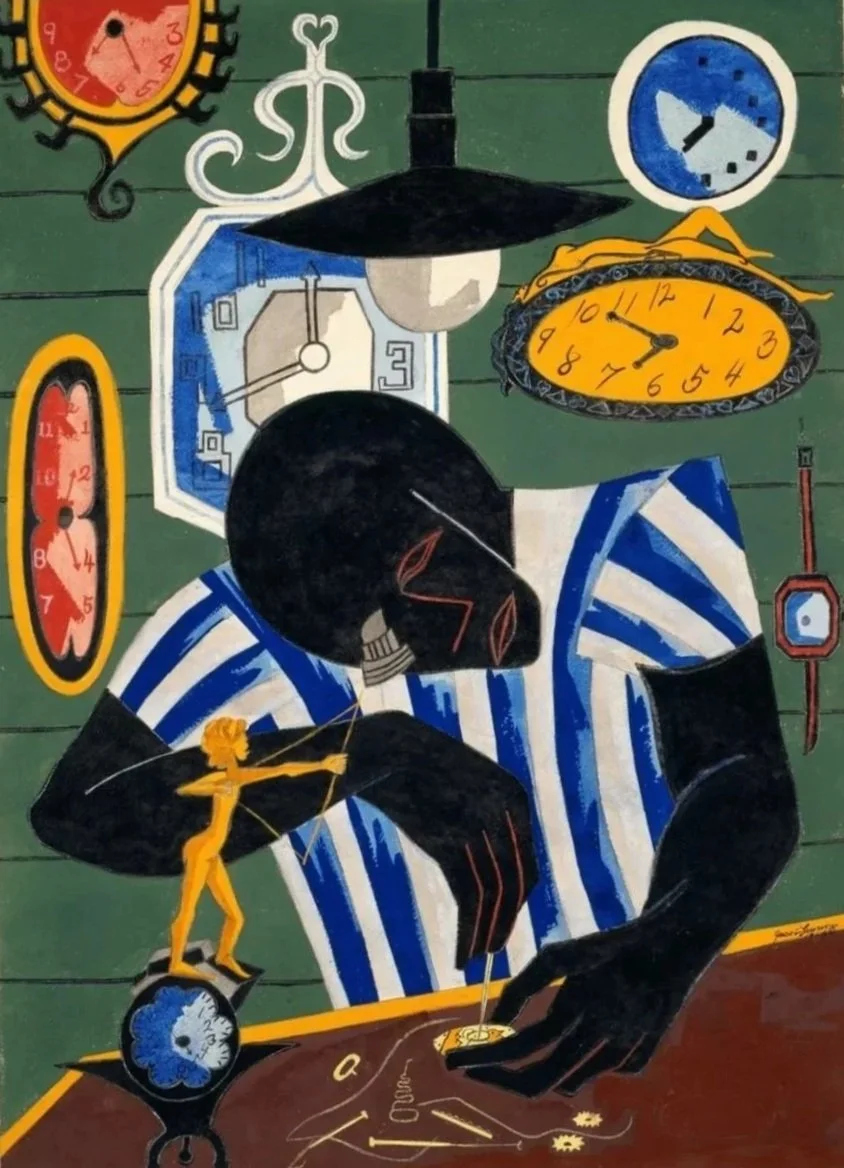
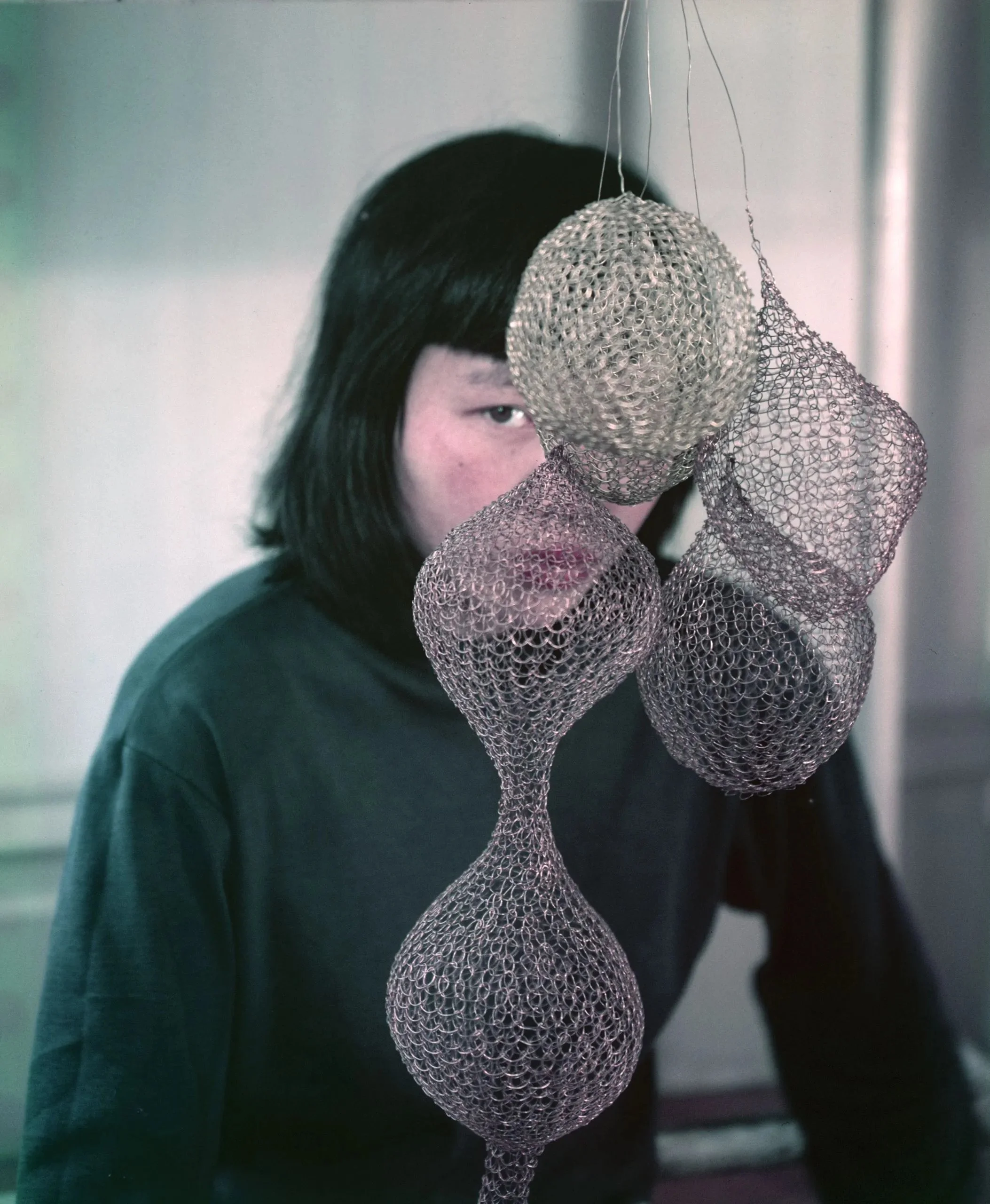
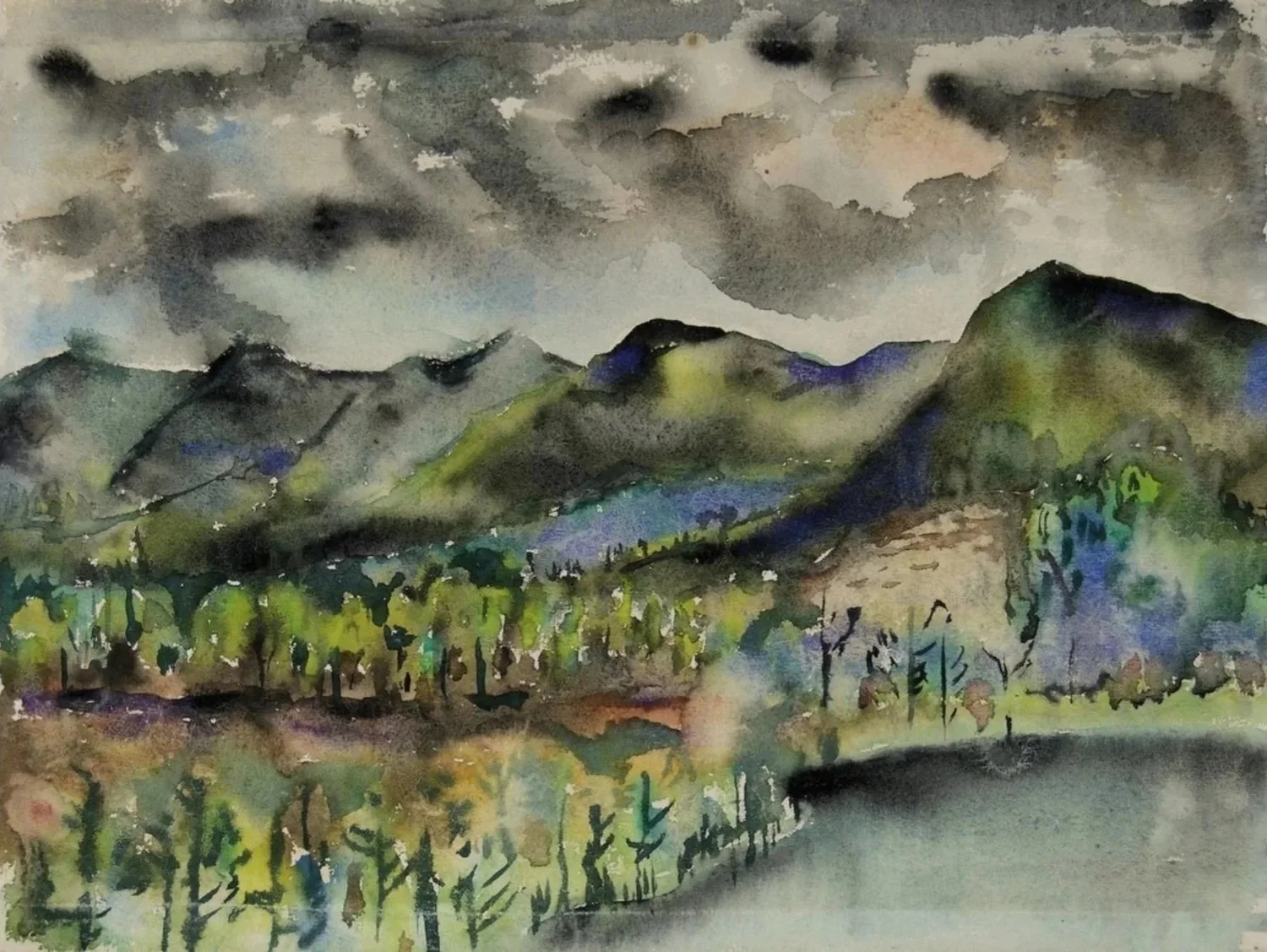

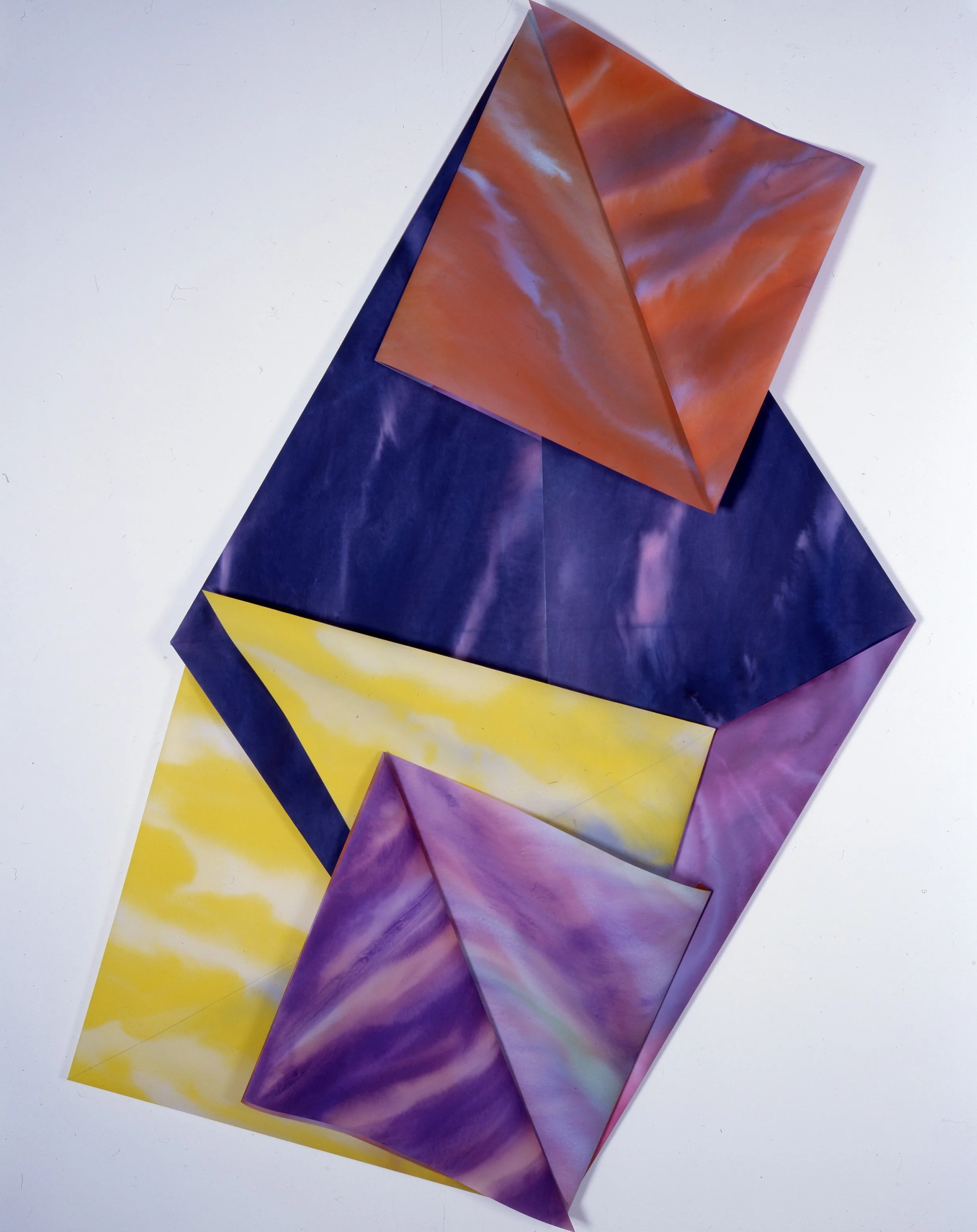
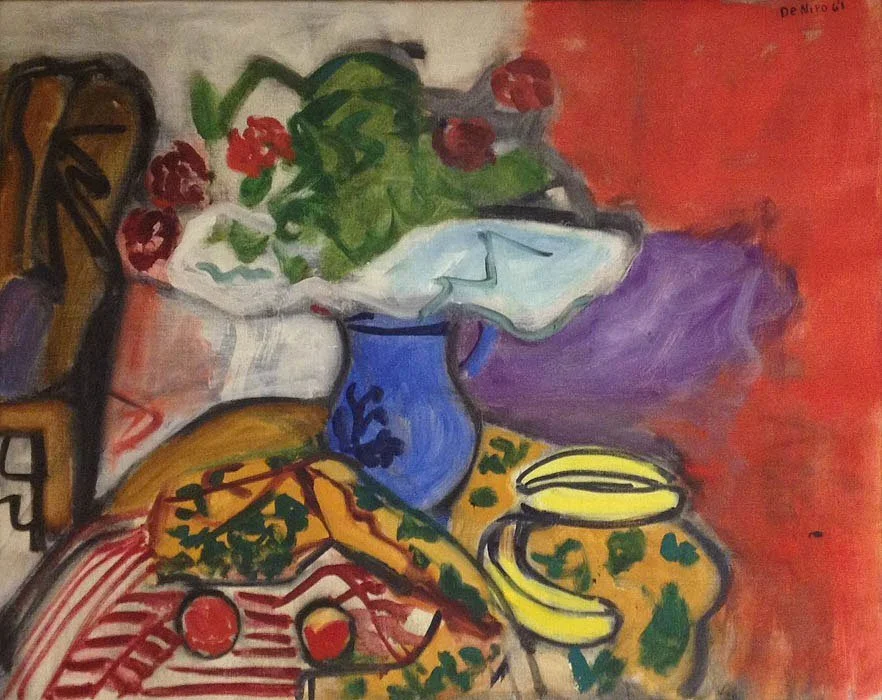
![Ray Spillenger, ca. 1951-1954, Untitled [Composition: Gray and White]](https://images.squarespace-cdn.com/content/v1/69b1709a94bb373b071fc3de/cb14d96d-60f0-4db0-b03d-cd7eeee83a7b/RaySpillengerBlackMountainCollegeComposition.jpg?format=1500w)
"[Black Mountain] gave rise to a network of artists who would spread its utopian spirit, ideas and vision to various precincts of the contemporary art world."
- Amanda Fortini, The New York Times
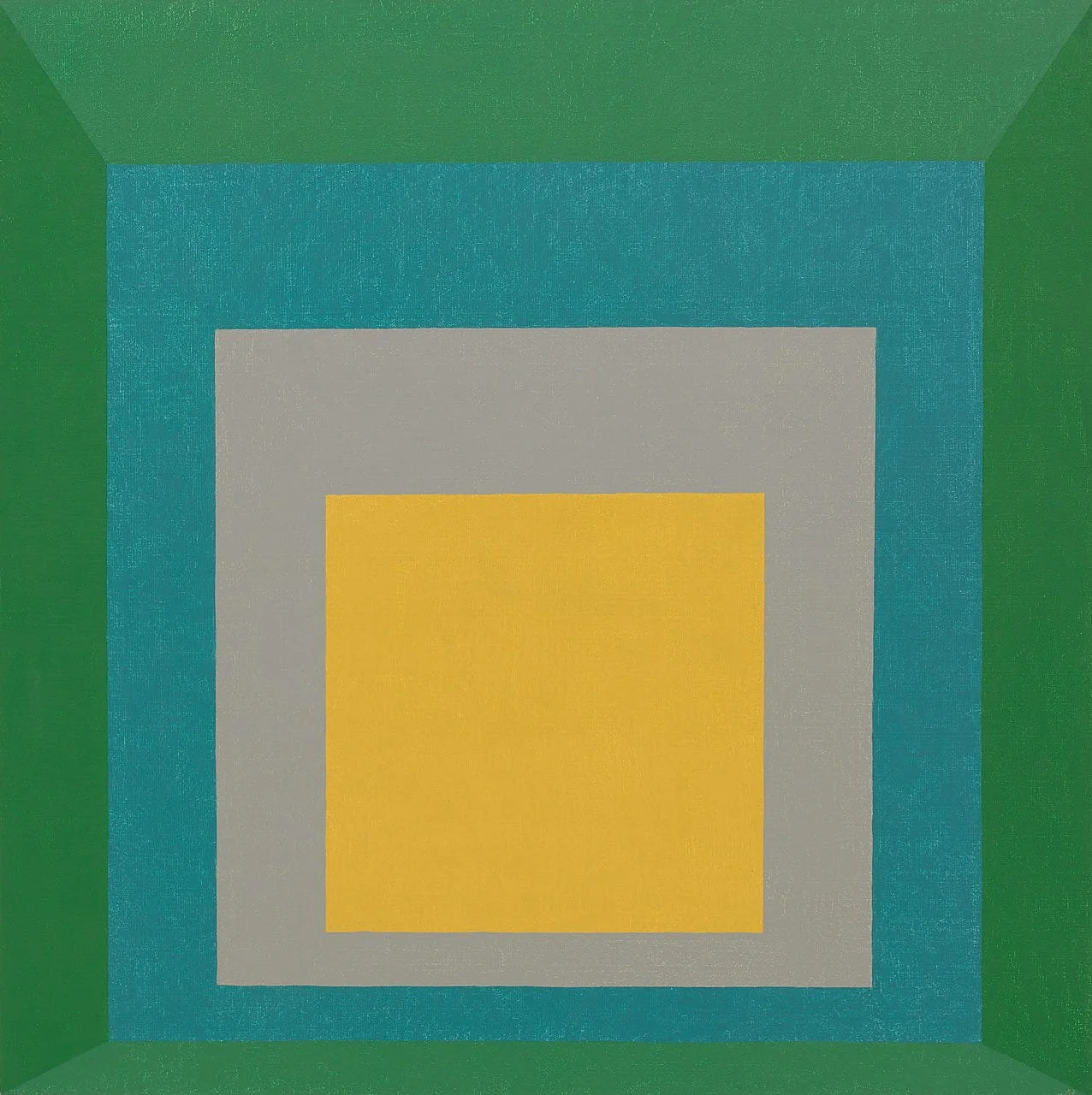
Albers. Asawa. de Kooning. Cunningham. Jennerjahn. Lawrence. Harrison. Cage. Penn. Rockburne. Noland. Twombly. Fuller. Creeley. Rauschenberg. Olson. The list goes on… So does the story.
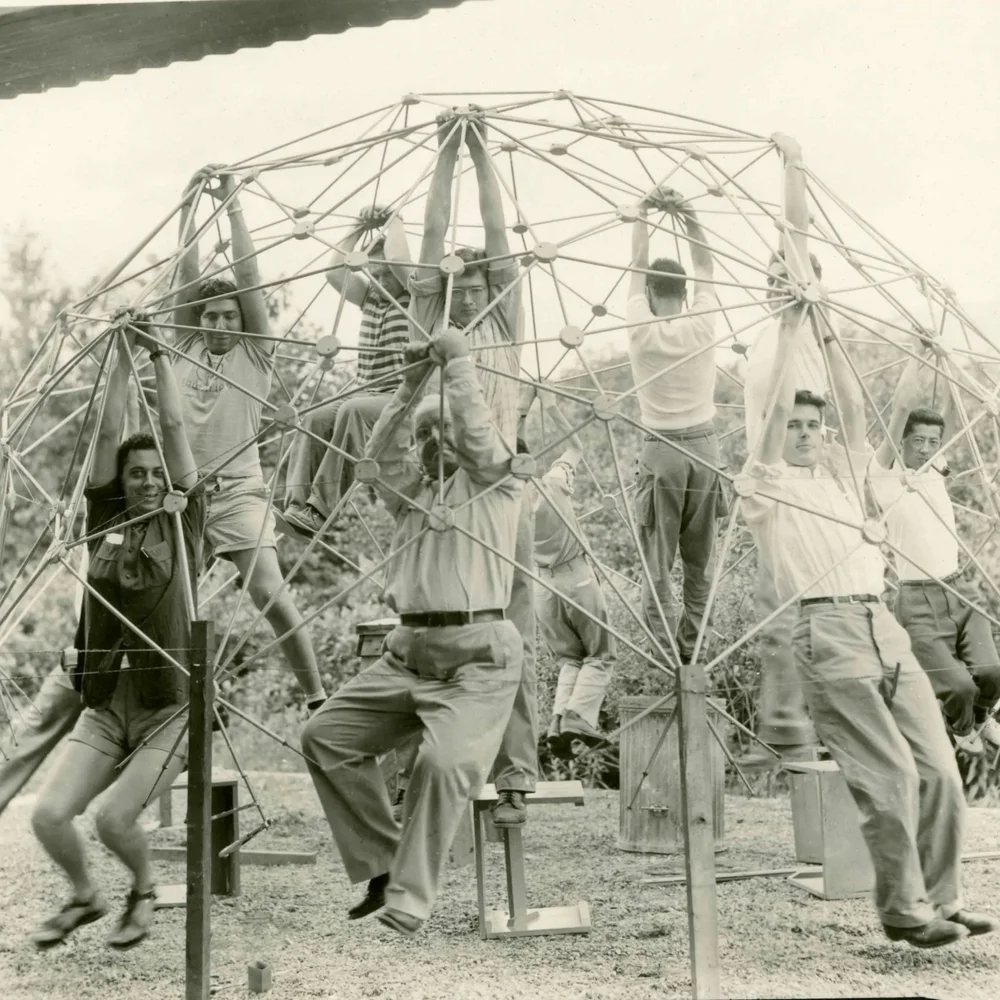
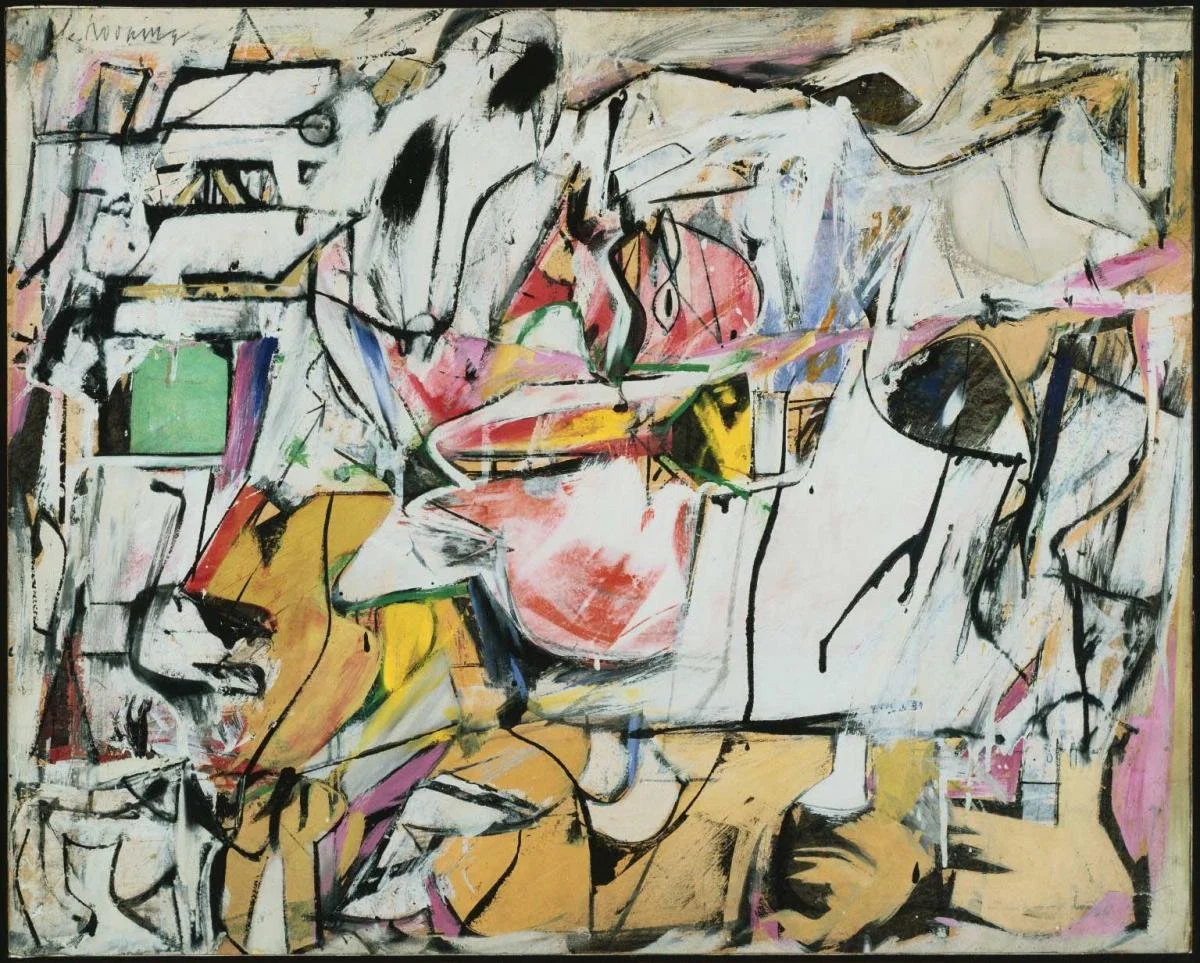
The legend of Black Mountain is written in names. It was the small, unlikely place where many of them first found each other — where Buckminster Fuller raised his first geodesic dome, where Merce Cunningham formed his dance company, where John Cage staged the first Happening, and where Willem de Kooning painted Asheville. Students like Robert Rauschenberg and Ruth Asawa left and spent lifetimes devoted to the arts.
As Amanda Fortini wrote in The New York Times, Black Mountain "gave rise to a network of artists who would spread its utopian spirit, ideas and vision to various precincts of the contemporary art world."
Subscribe to our newsletter
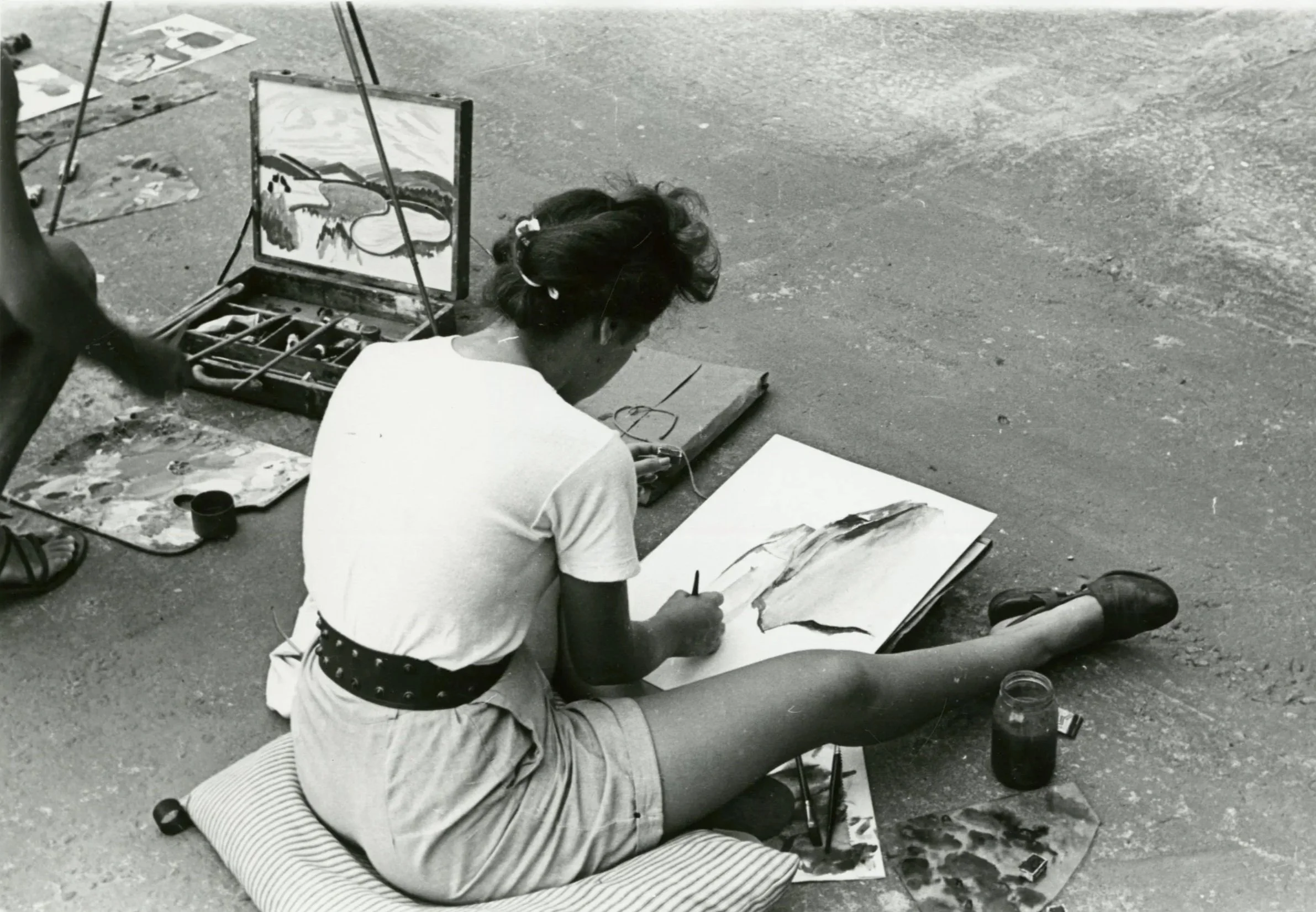
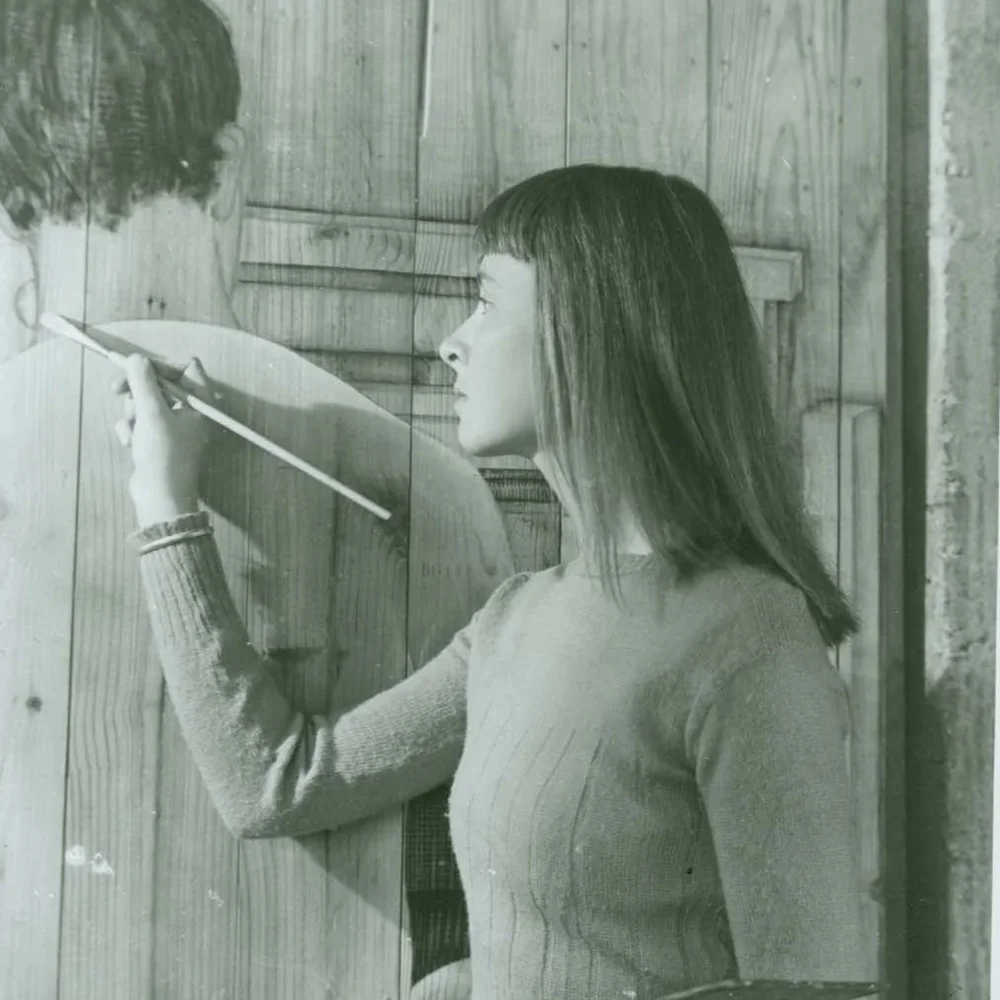
Gwendolyn Knight Lawrence painting outside during Black Mountain College's 1946 summer session. Photograph by Nancy Newhall. Courtesy of the Western Regional Archives, State Archives of North Carolina.